赣州:客家摇篮的宋韵长歌,红色热土的诗意山河
赣州:客家摇篮的宋韵长歌,红色热土的诗意山河
A Song of Song
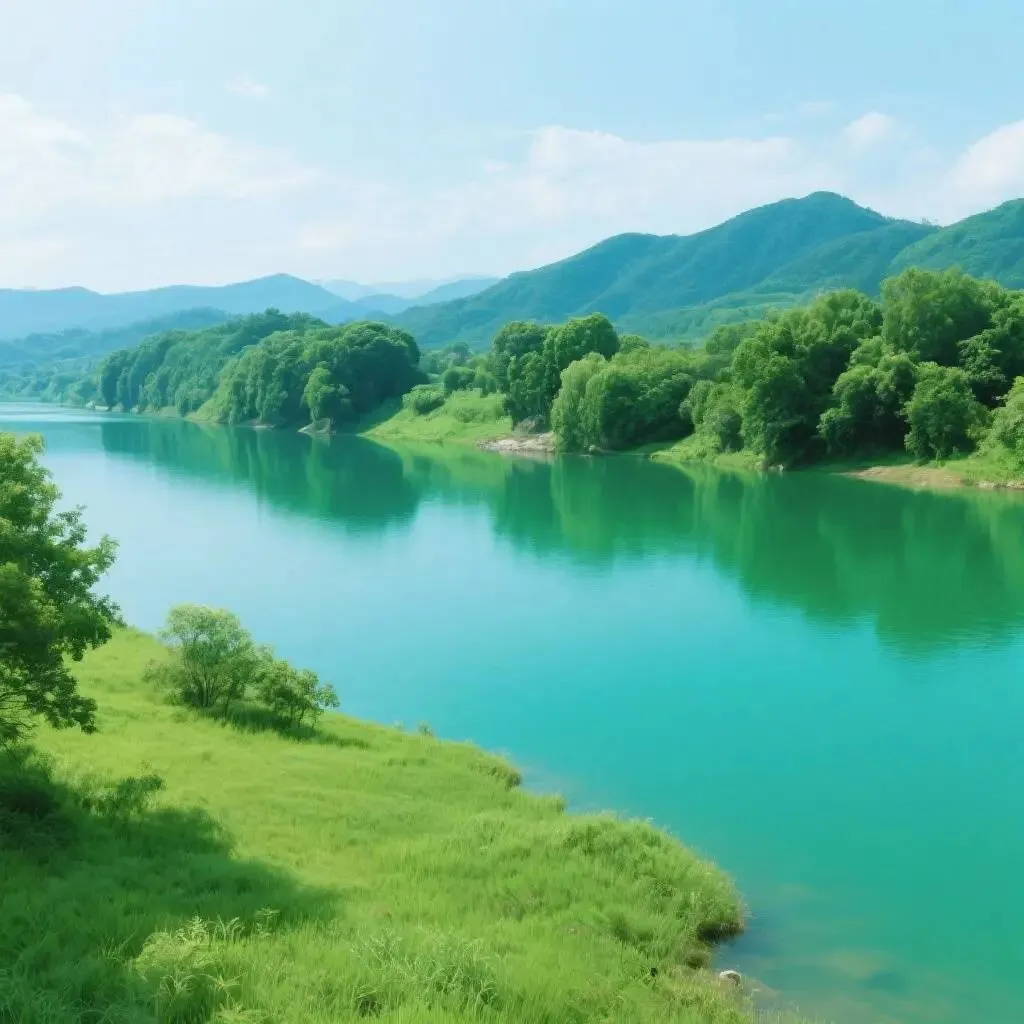
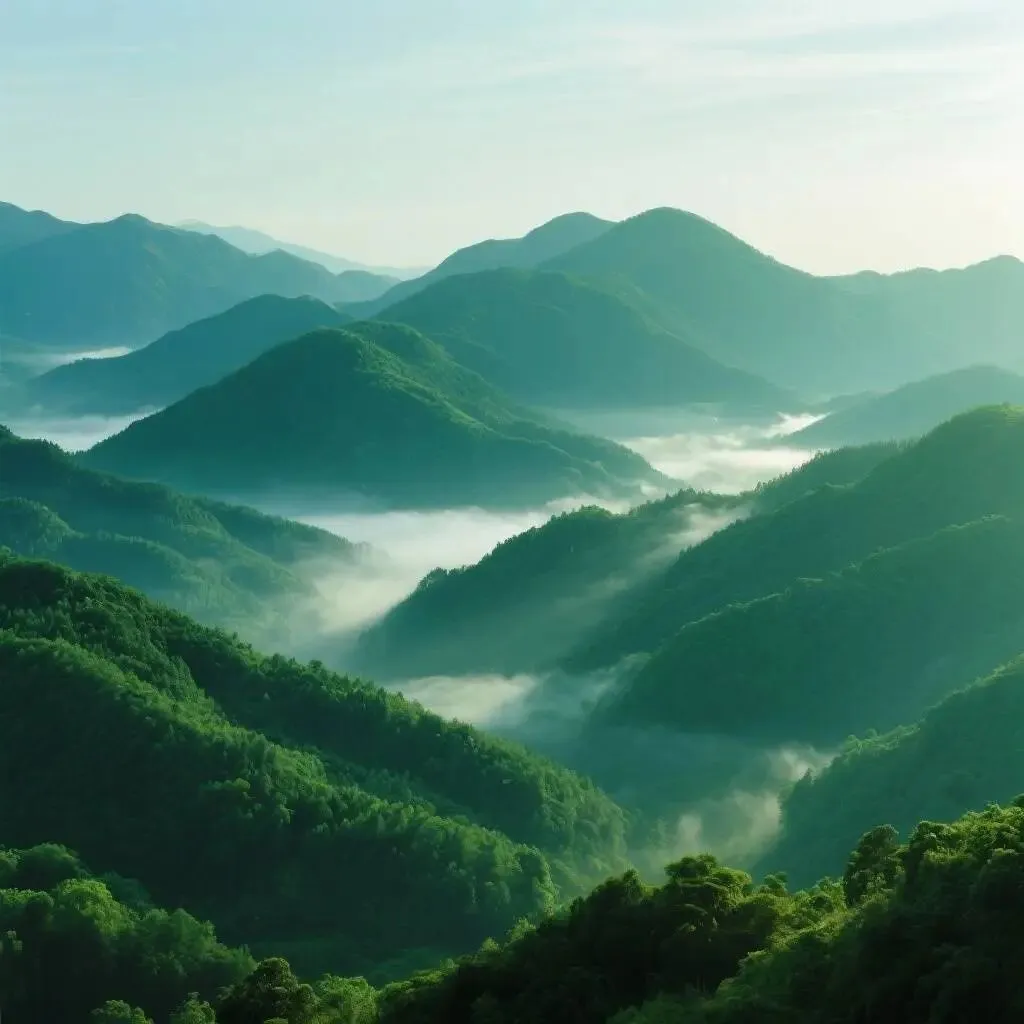
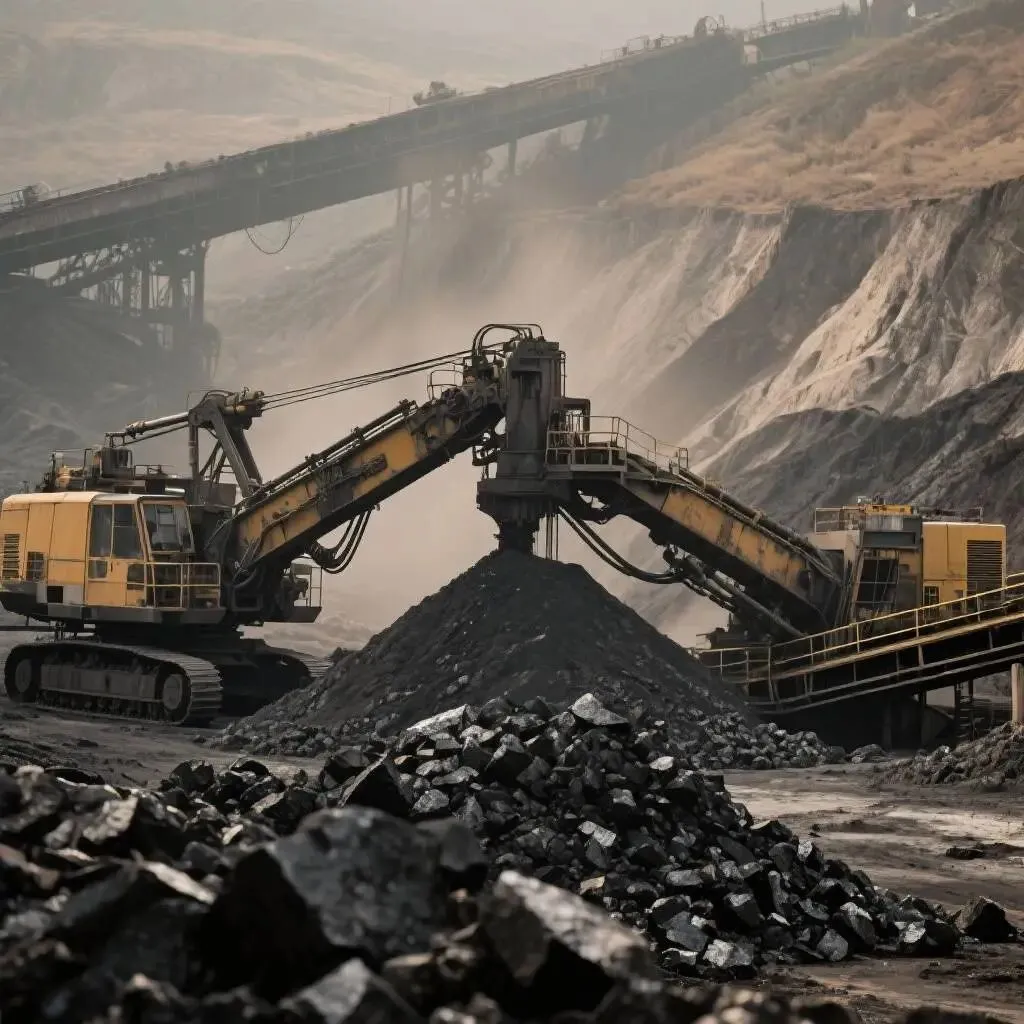
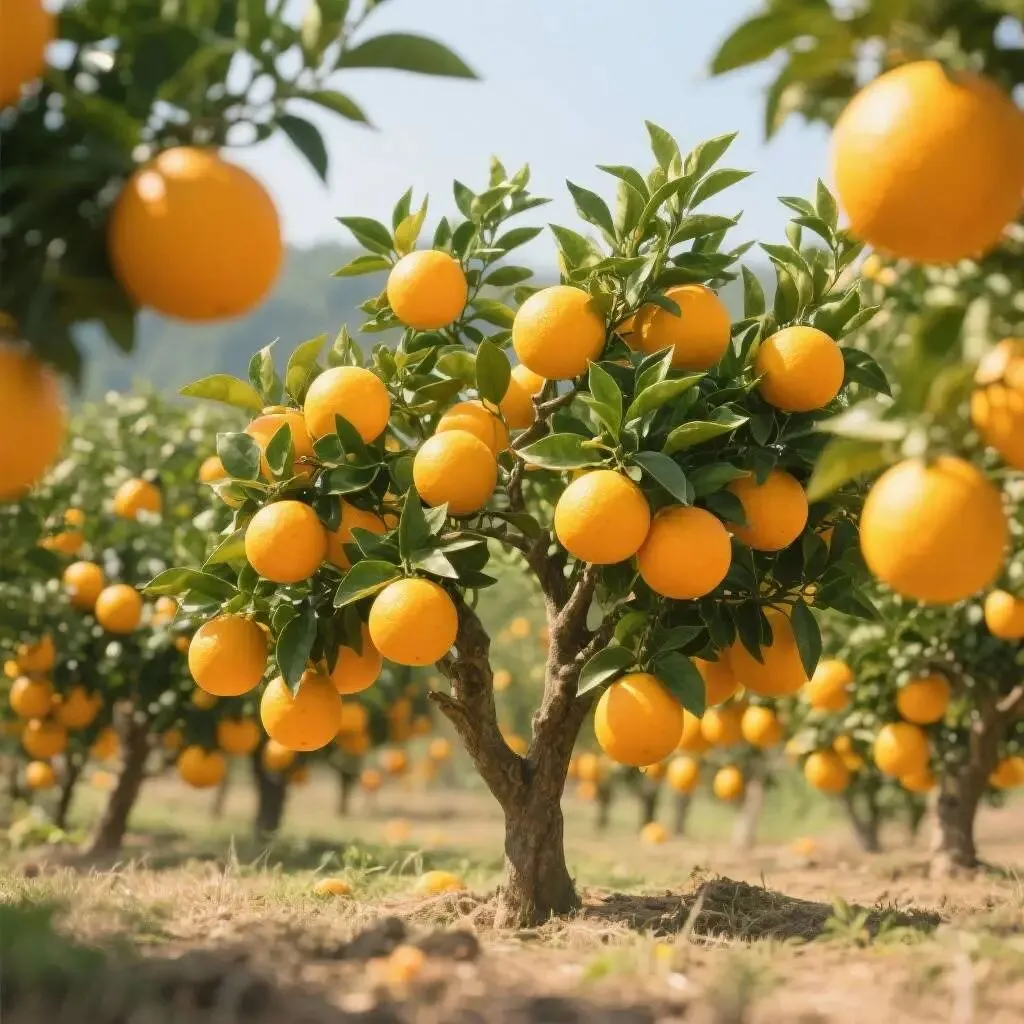
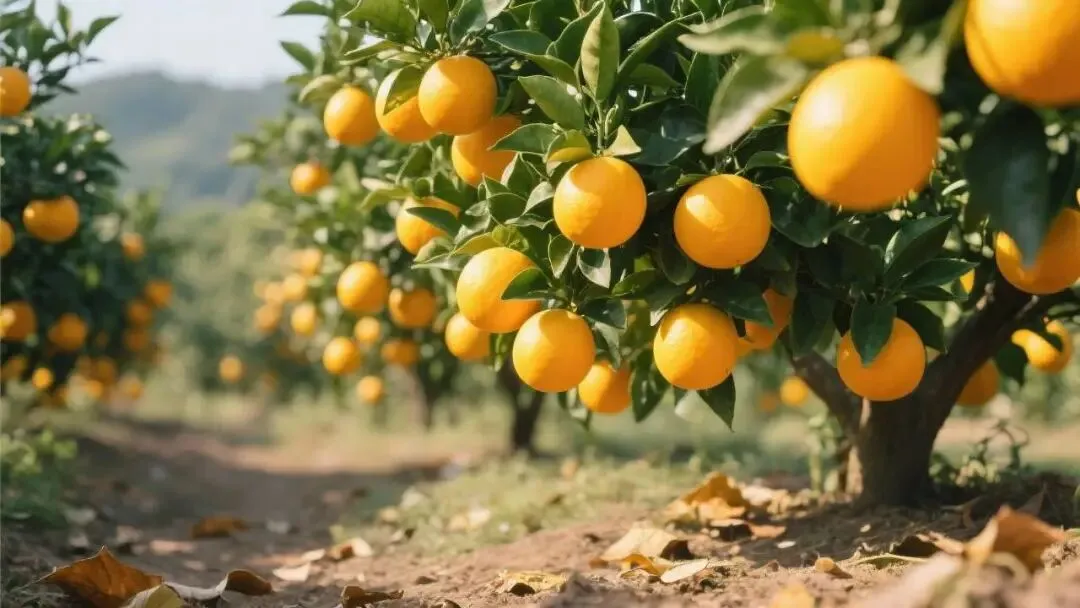
Dynasty Elegance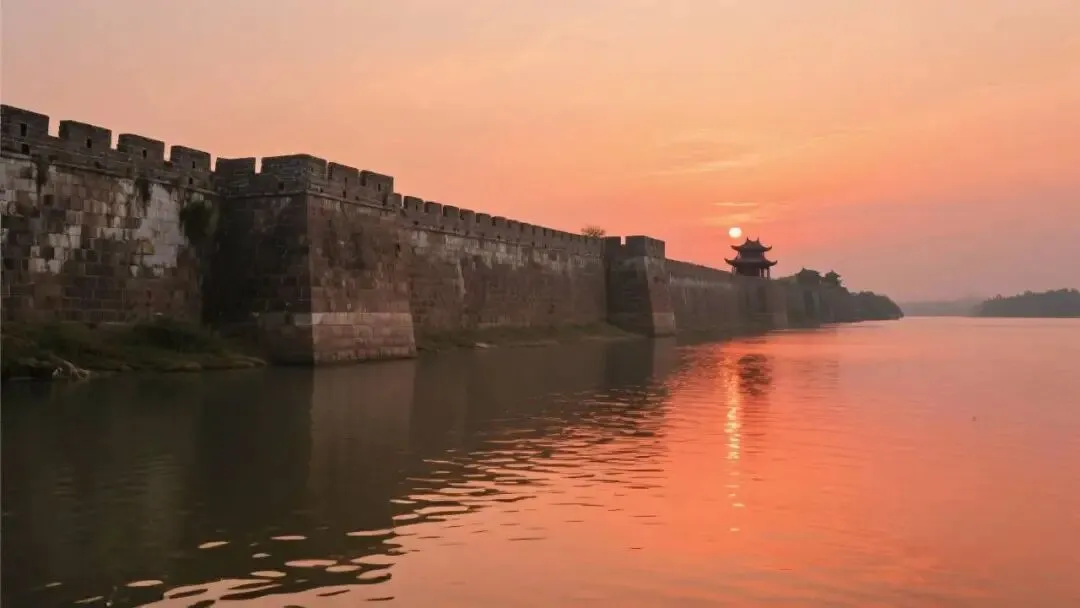 赣州,古称“虔州”,地处江西南部、赣江上游,是江西的“南大门”,素有“千里赣江第一城”“稀土王国”“世界钨都”的美誉。这里“八山半水一分田”,武夷山脉与南岭余脉在此交汇,森林覆盖率超76%,三百山是香港同胞的“生命之水”东江的源头。峰峦叠翠间,赣江如绿绸穿城而过,两岸的脐橙园在秋冬挂满金黄果实,勾勒出“江南绿洲”的生态画卷。Known as “Qianzhou” in ancient times, Ganzhou lies in southern Jiangxi at the upper reaches of the Gan River, serving as Jiangxi’s “Southern Gateway.” It earns titles like “First City of the Thousand-Mile Gan River,” “Kingdom of Rare Earths,” and “World Capital of Tungsten.”
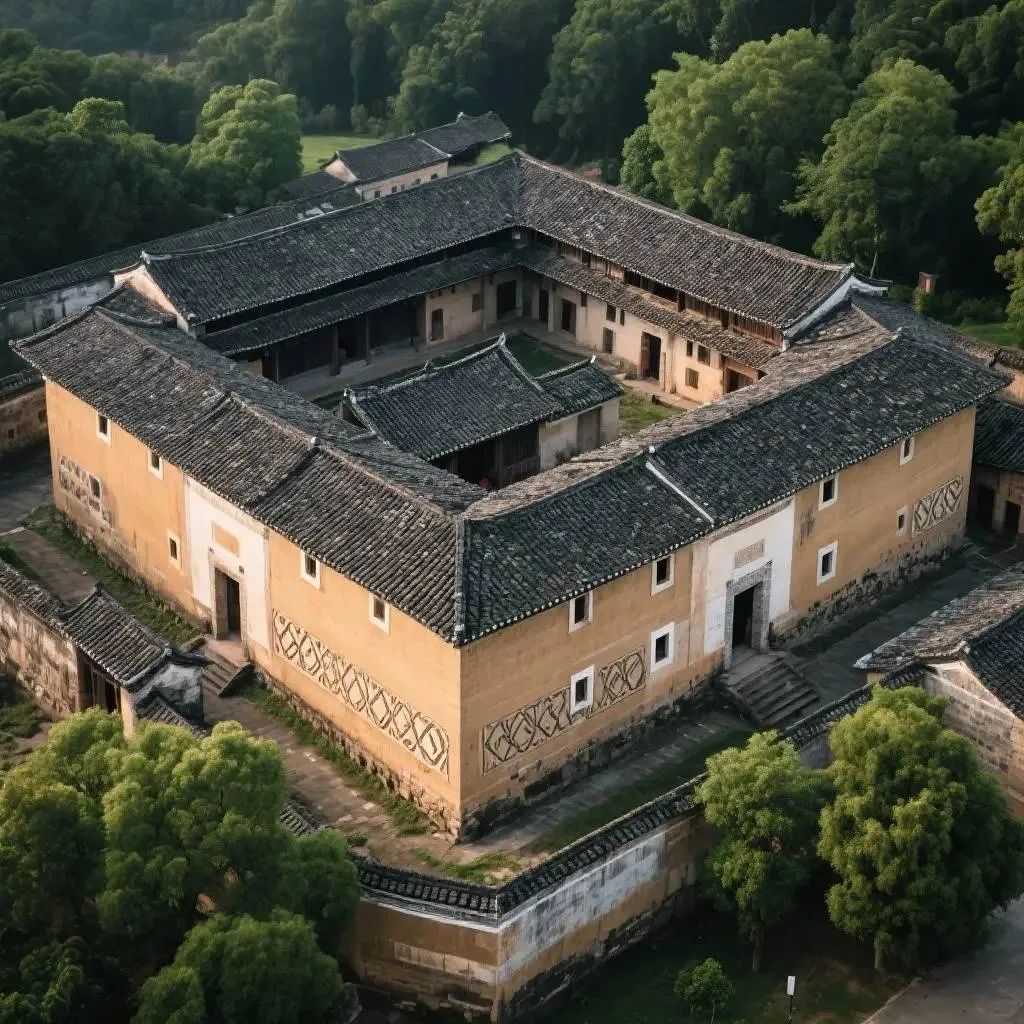
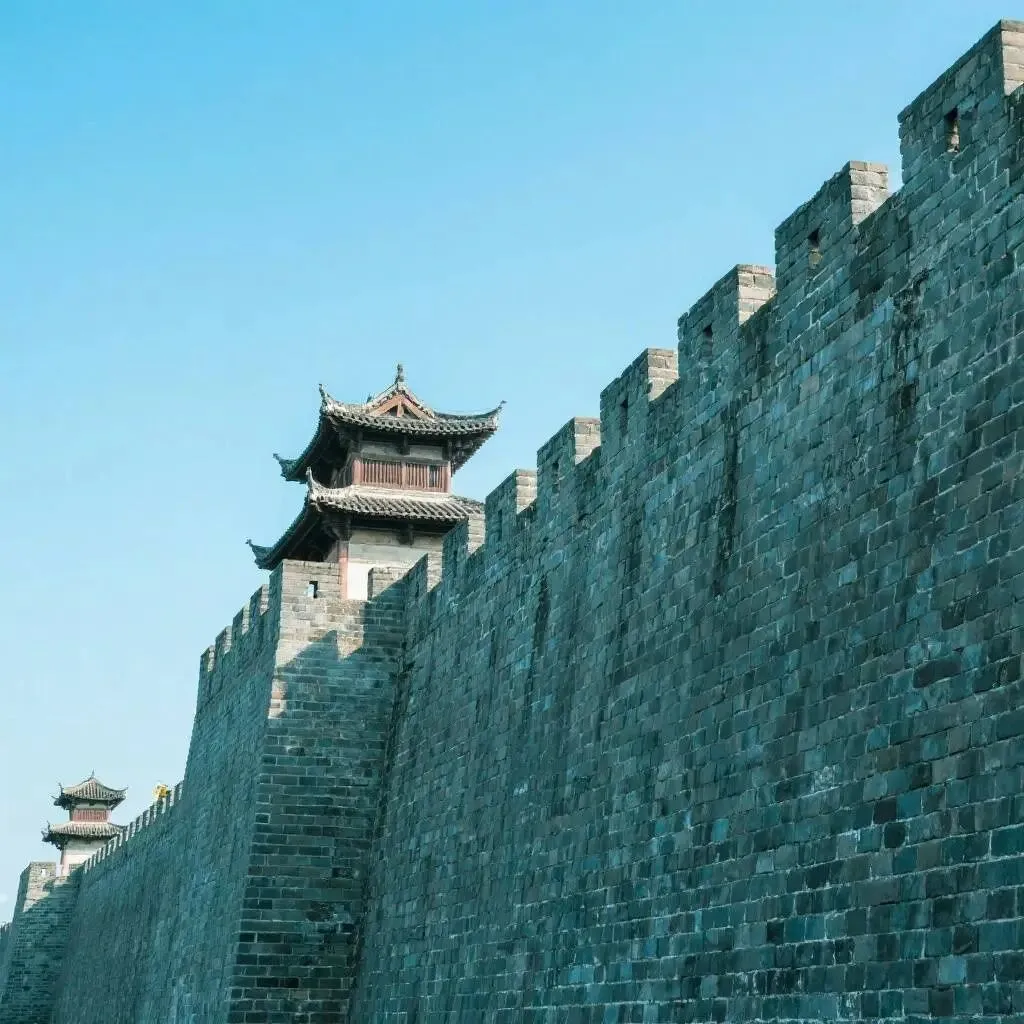
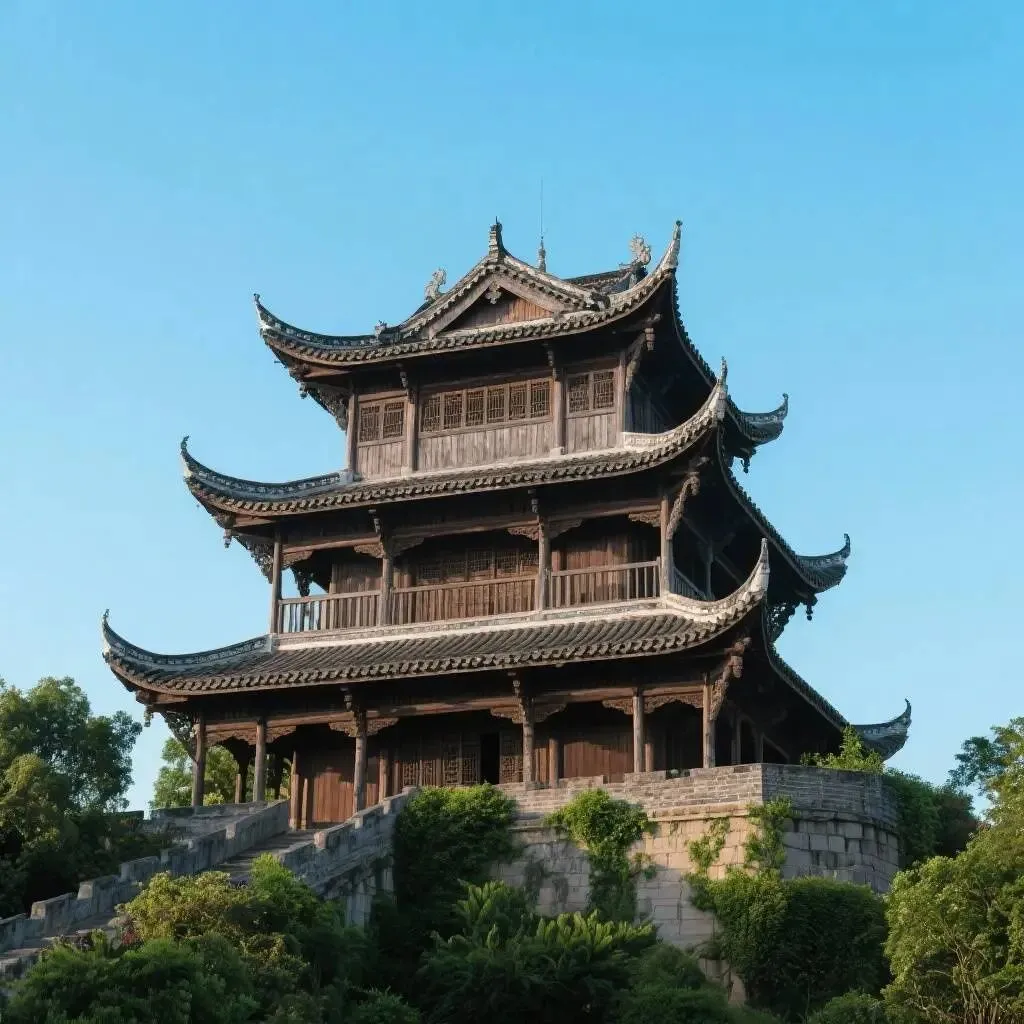
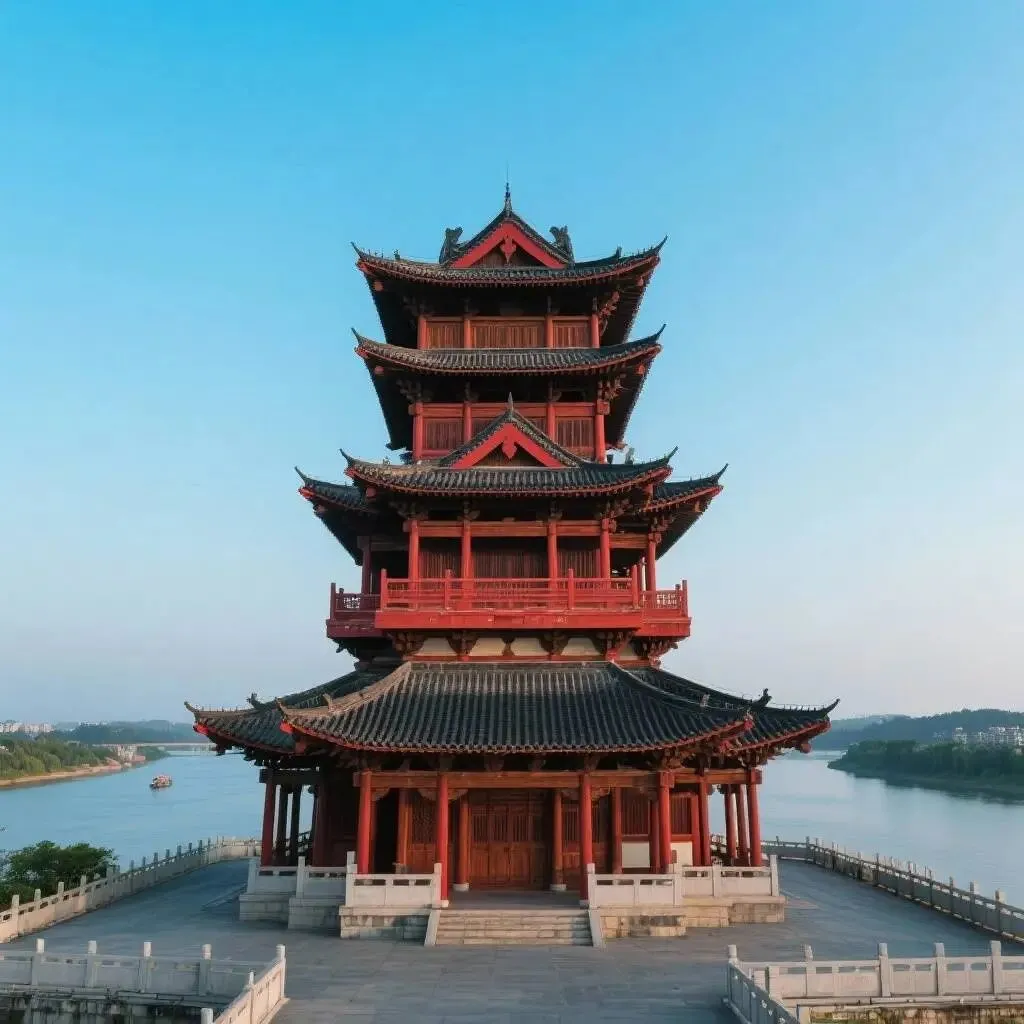
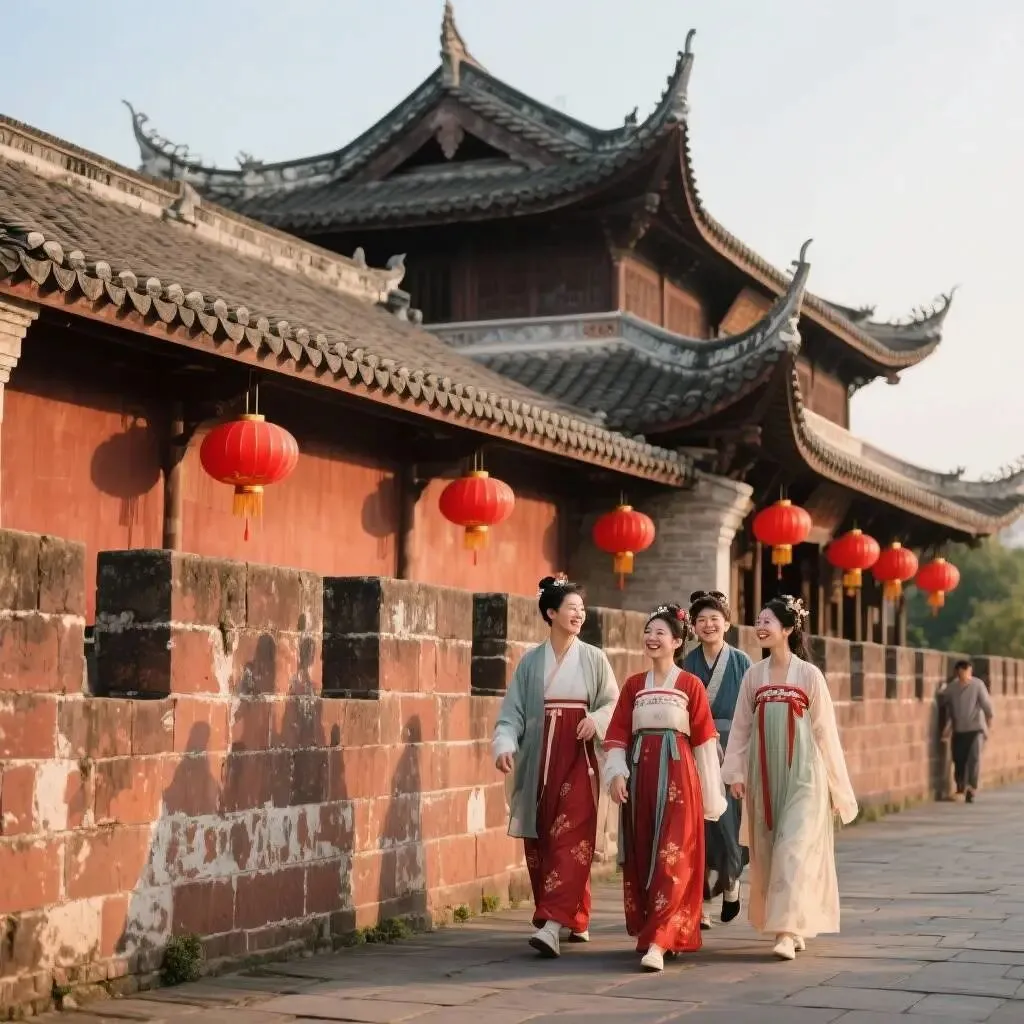
 这里“八山半水一分田”,武夷山脉与南岭余脉在此交汇,森林覆盖率超76%,三百山是香港同胞的“生命之水”东江的源头。With “80% mountains, 5% water, and 1% farmland,” the Wuyi and Nanling mountain ranges converge here, boasting a forest coverage rate over 76%. Baisan Mountain is the source of the Dongjiang River, the “lifeblood” for Hong Kong residents.赣州是客家文化的“祖庭”,自东晋起,中原士族南迁于此,孕育了独特的客家民系,有“客家摇篮”之称。境内保存着376座客家围屋(如龙南关西新围),被誉为“东方古罗马城堡”。同时,赣州是宋代36大都会之一,完整保留了3.22公里宋代砖石城墙、八境台、郁孤台等古迹,堪称“宋城博物馆”。辛弃疾“郁孤台下清江水”的词句,至今仍在古城墙上回响。Ganzhou is the “ancestral home” of Hakka culture. Since the Eastern Jin Dynasty, Central Plains migrants settled here, giving rise to the unique Hakka ethnicity—earning it the title “Cradle of Hakka Culture.”
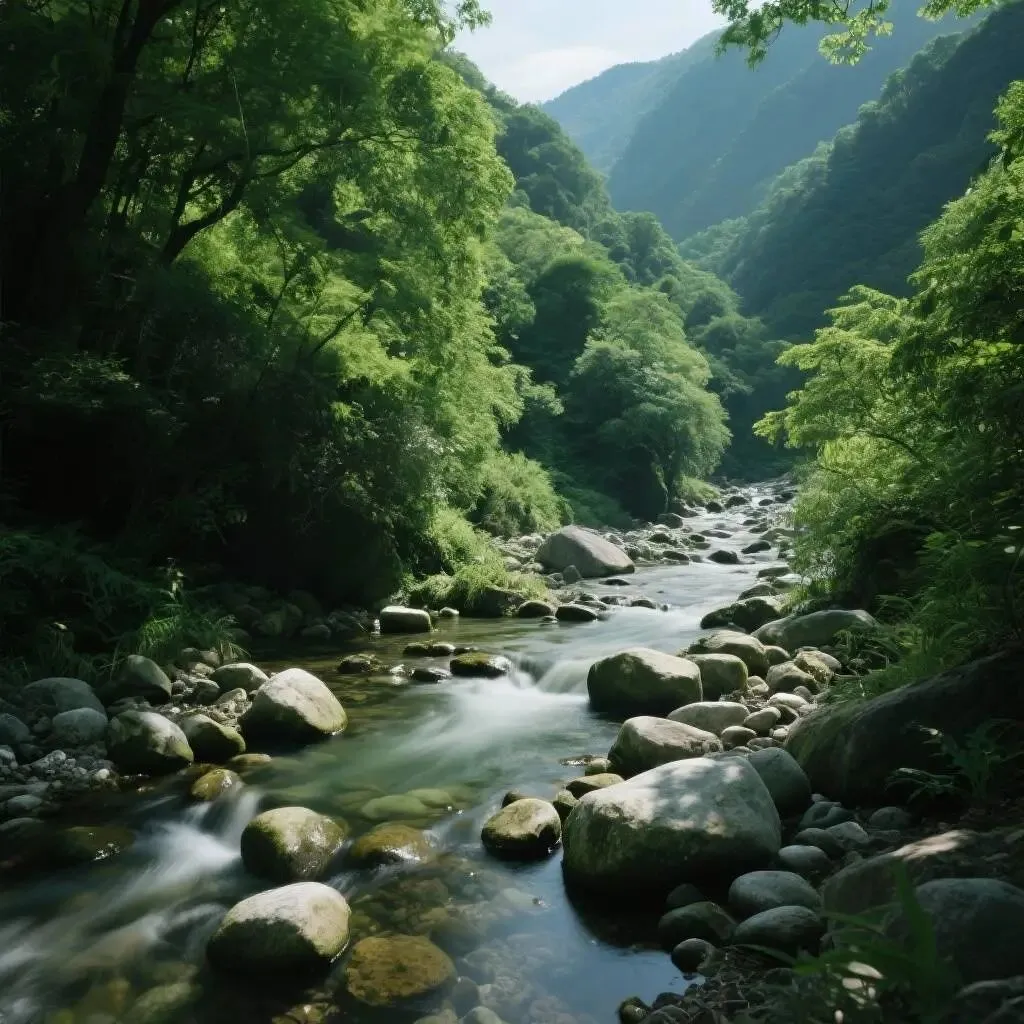
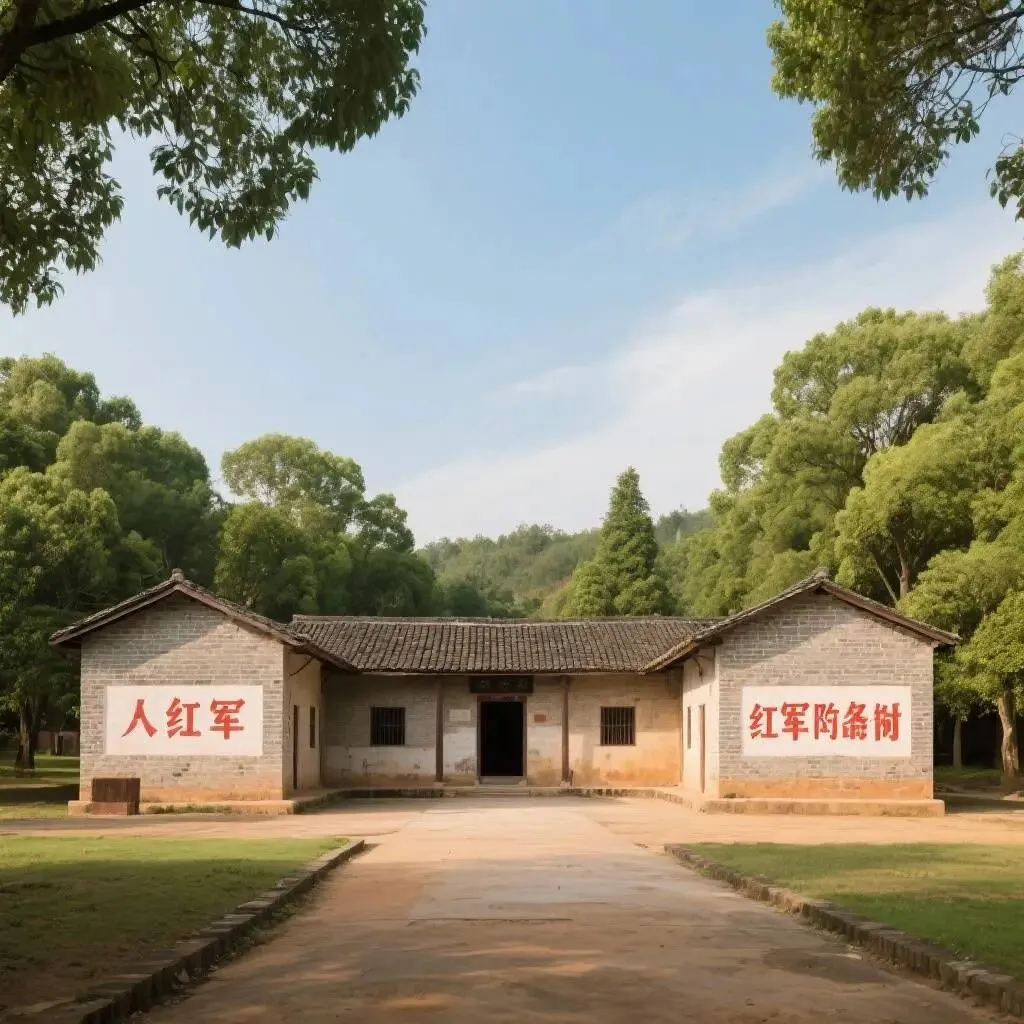
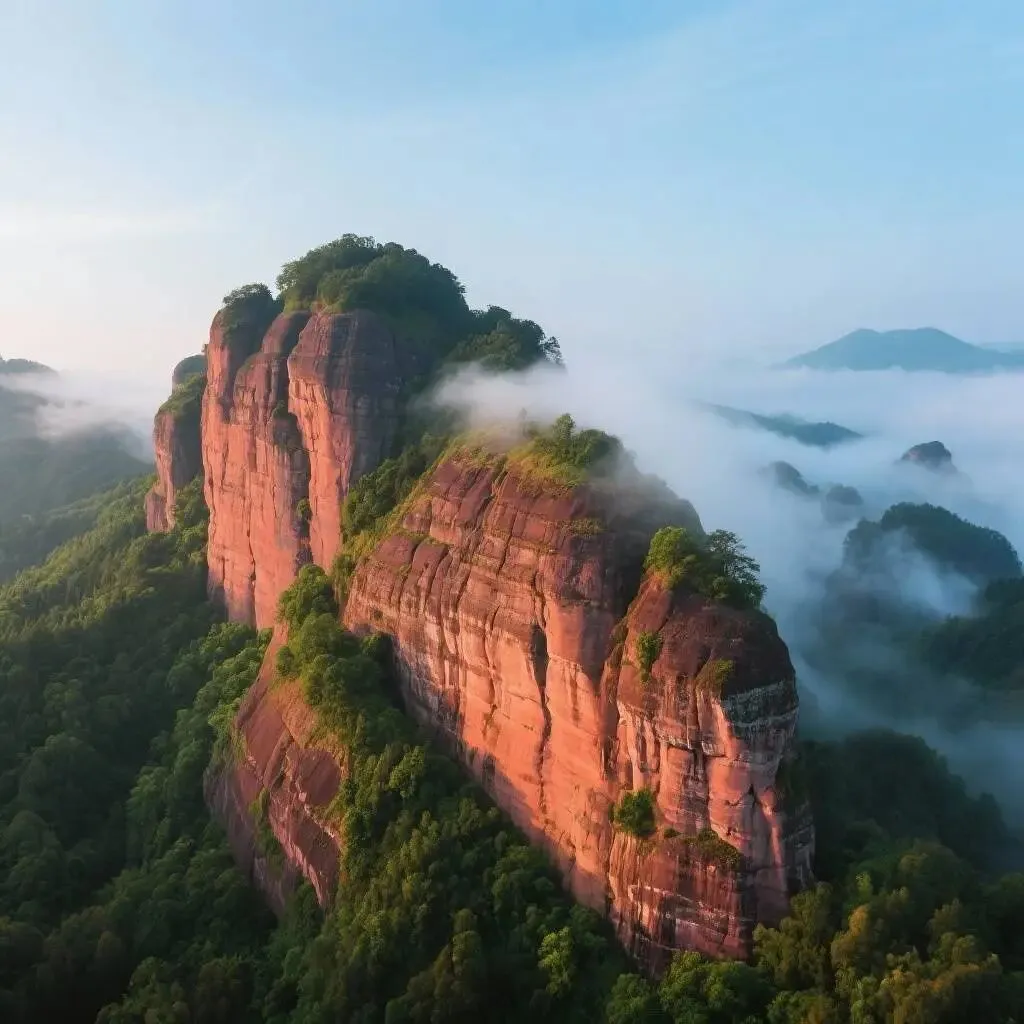
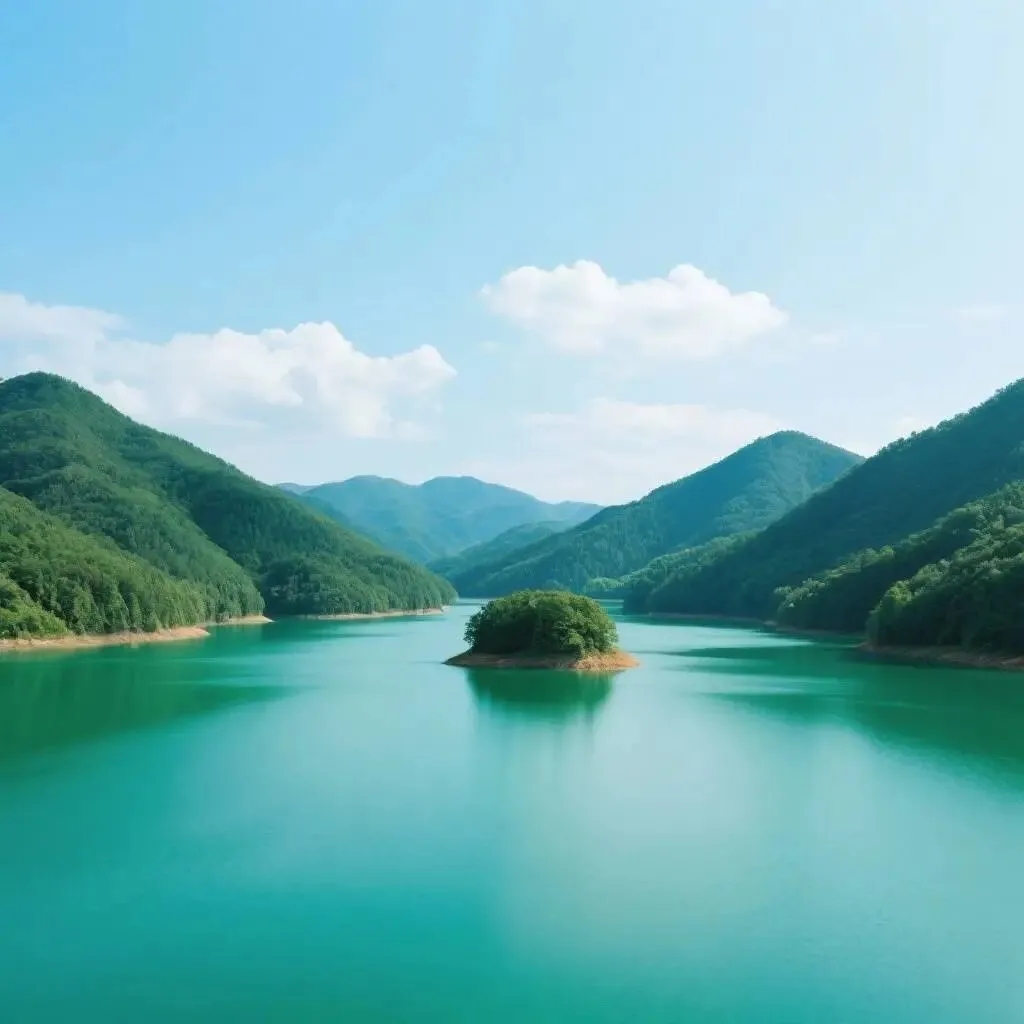
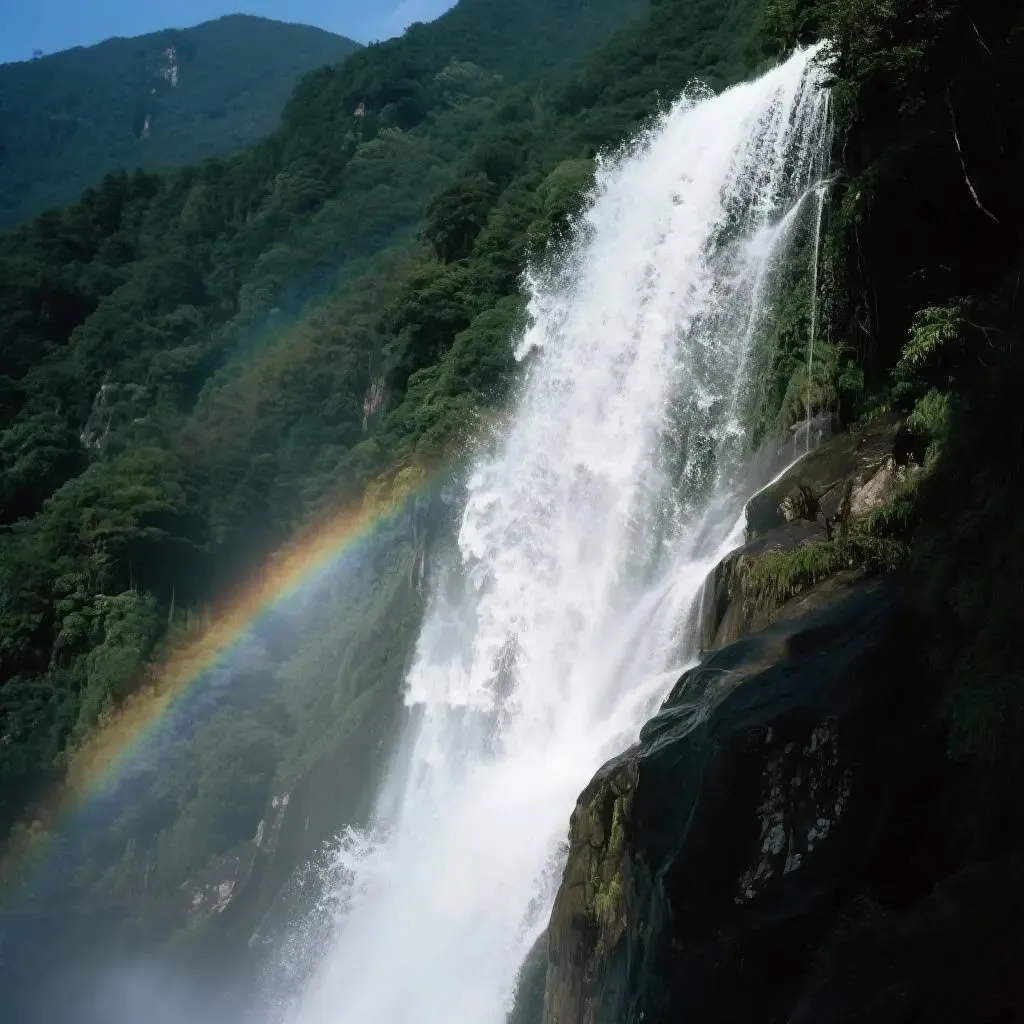
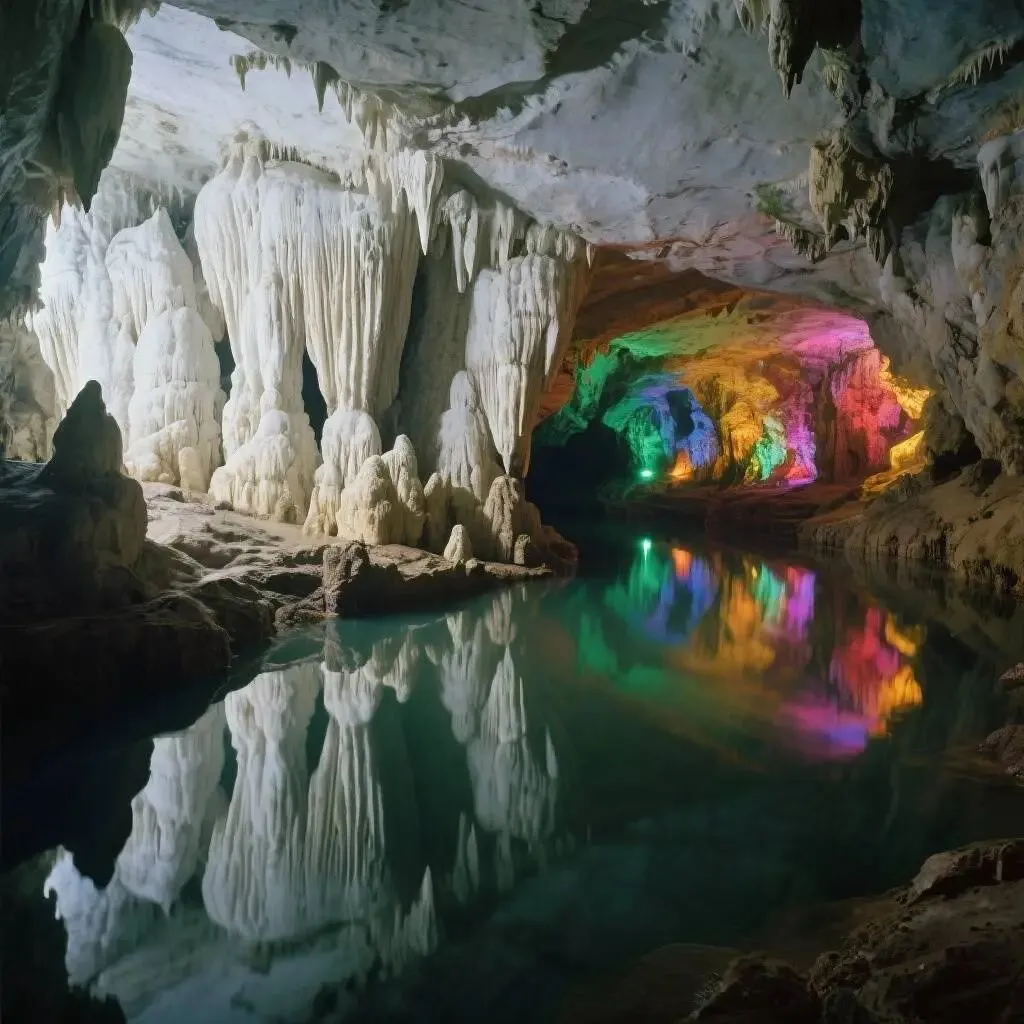
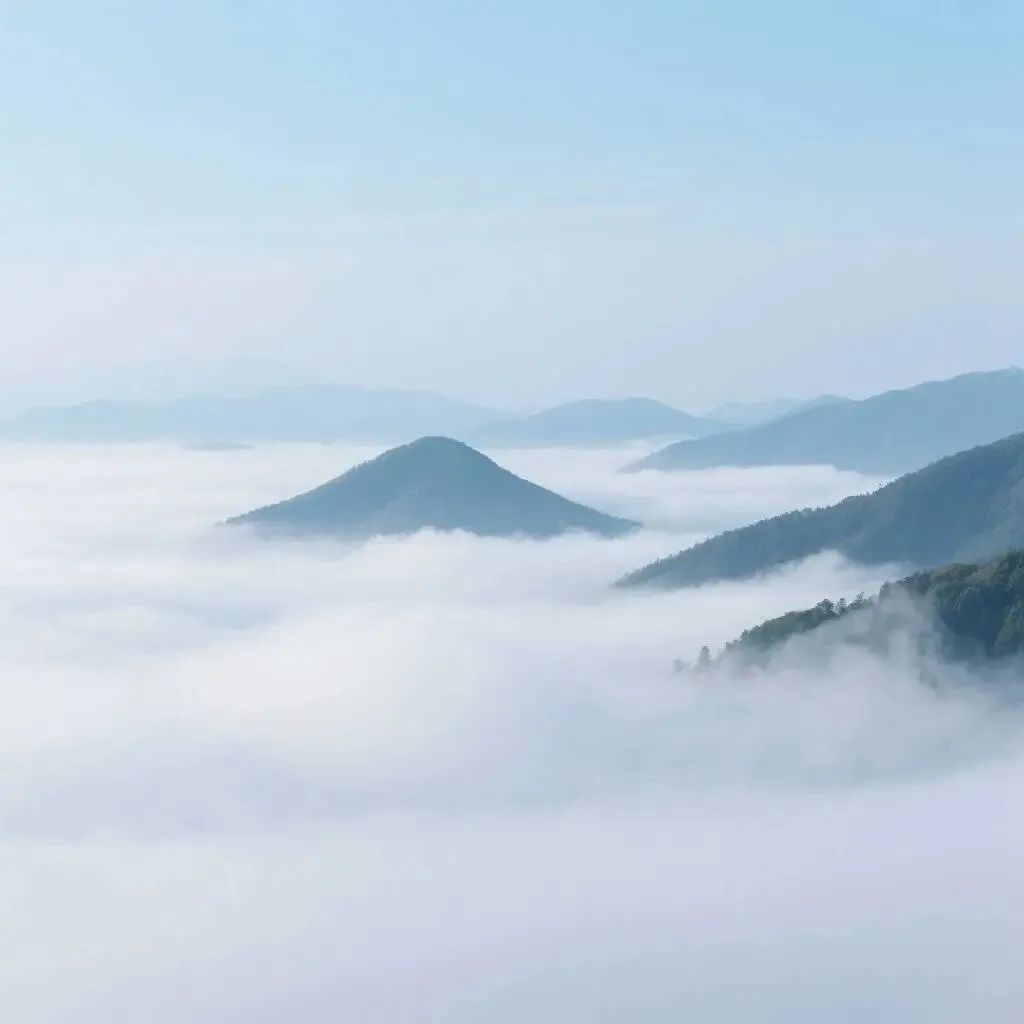
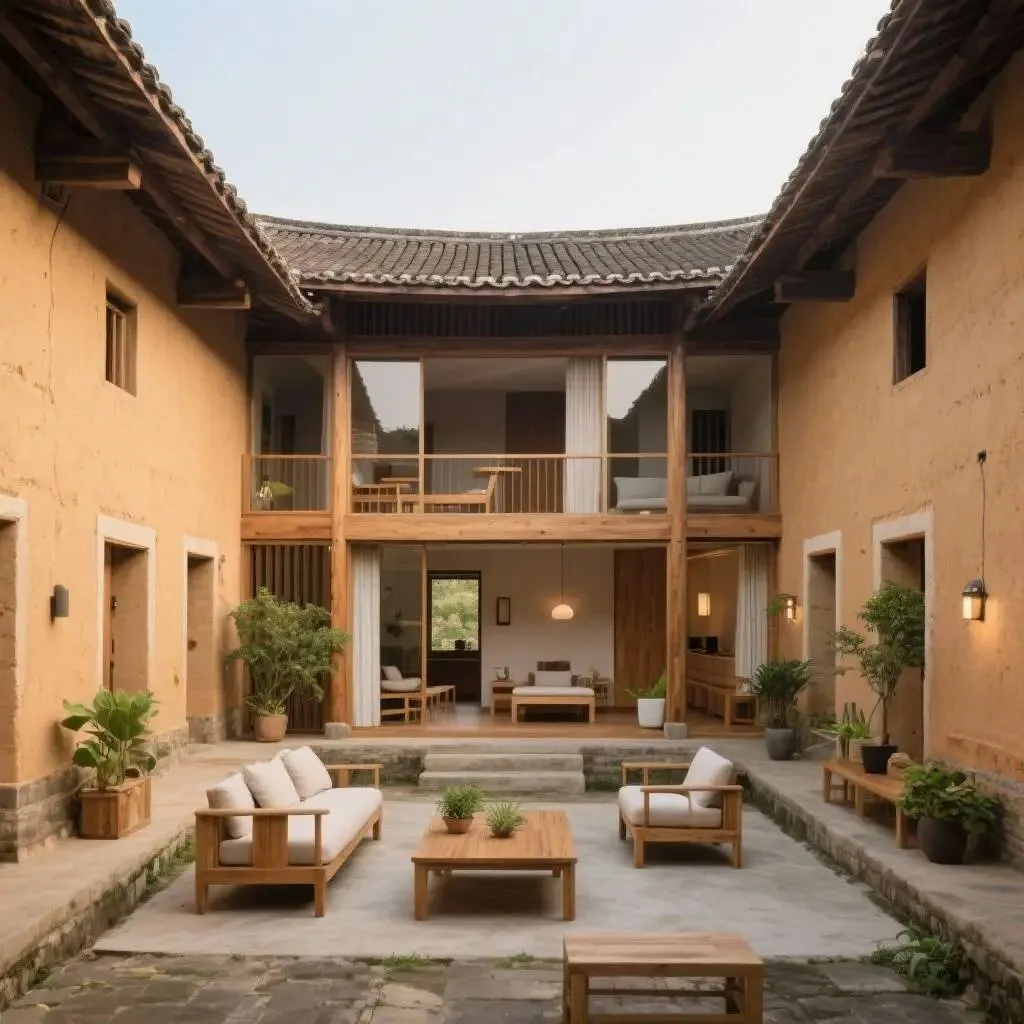
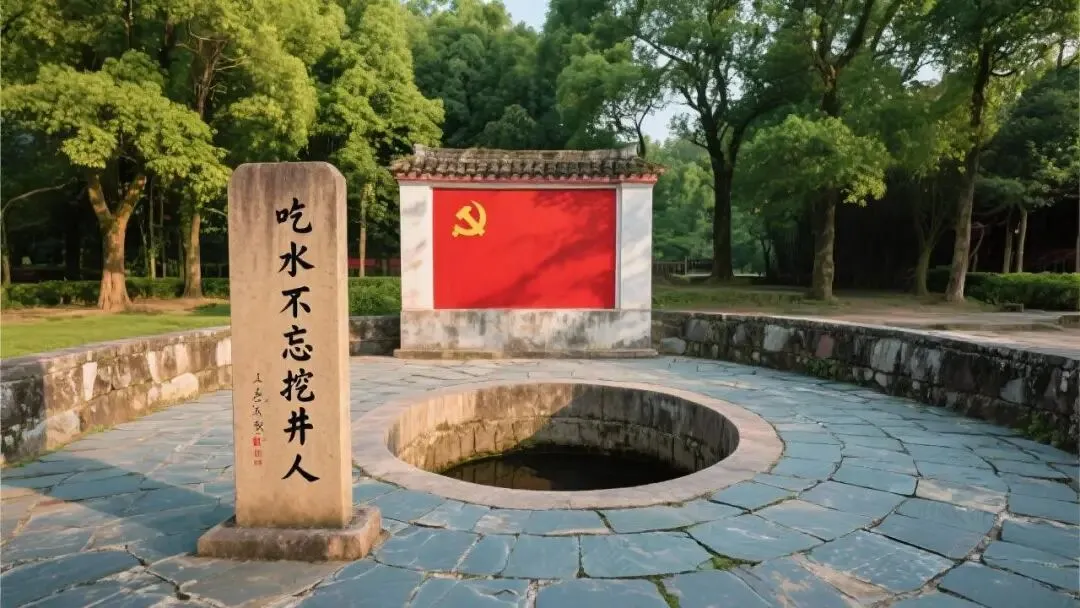 而瑞金的“红色故都”身份,又让它成为中国革命的“精神坐标”——叶坪革命旧址群、红井的故事,诉说着“人民共和国雏形”的峥嵘岁月。It preserves 376 Hakka tulou (e.g., Guanxi Xinwei Tulou in Longnan), hailed as “Oriental Roman Castles.” Simultaneously, Ganzhou was one of the 36 major cities of the Song Dynasty, retaining a 3.22-kilometer brick-and-stone city wall, Bajing Terrace, and Yugu Terrace—dubbed a “Song Dynasty City Museum.”赣州的美,藏在山水褶皱里。石城的通天寨拥有罕见的龟裂凸包型丹霞地貌,山顶的“仙人犁田”奇观令人称奇;上犹的陡水湖群山环抱,湖水澄澈如镜,有“赣南小三峡”之称。大余的丫山国家森林公园,春有杜鹃漫山,秋有银杏鎏金,云海翻涌时宛如仙境。此外,安远的三百山瀑布群飞珠溅玉,寻乌的青龙岩溶洞鬼斧神工——每一处山水,都写着“天然去雕饰”的诗意。Ganzhou’s beauty hides in its mountainous folds. Tongtianzhai in Shicheng features rare cracked-convex Danxia landforms, with the “Immortal Plowing Field” atop the peak astonishing visitors.
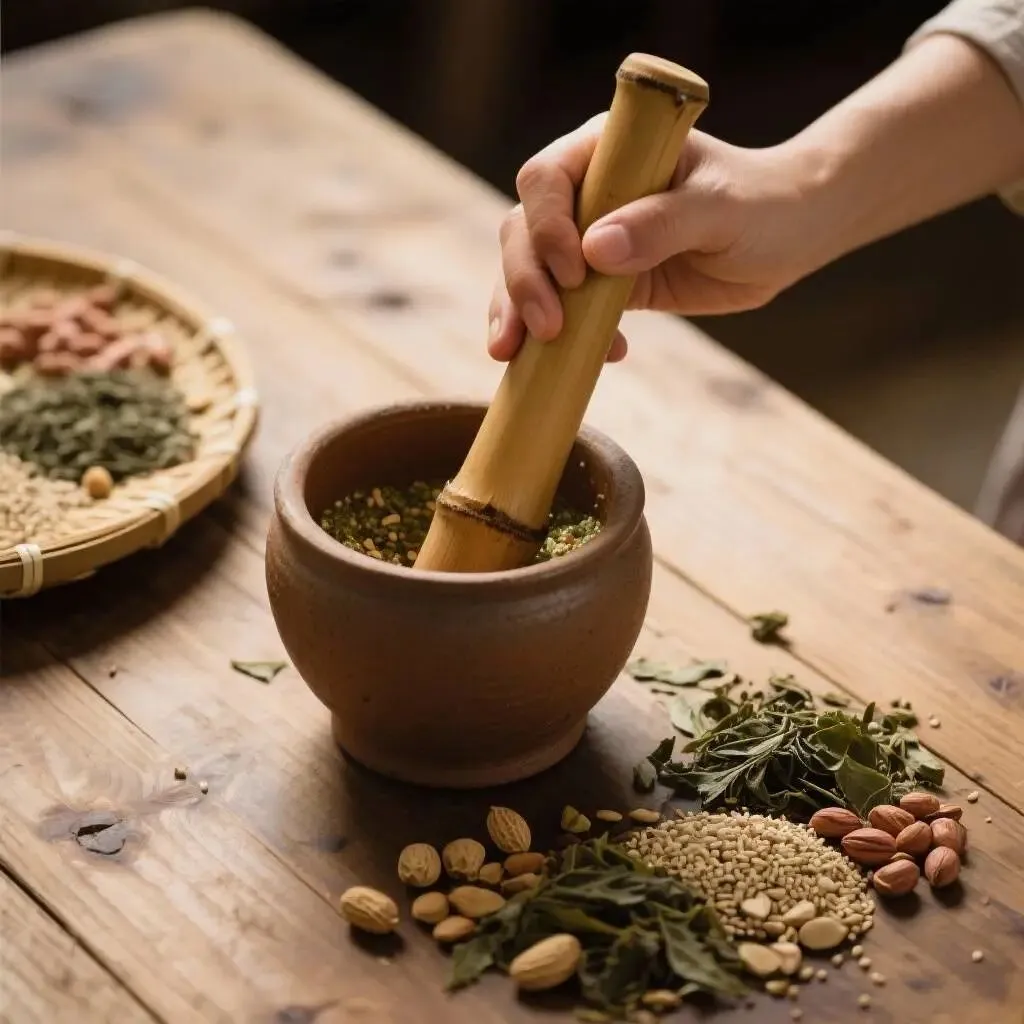
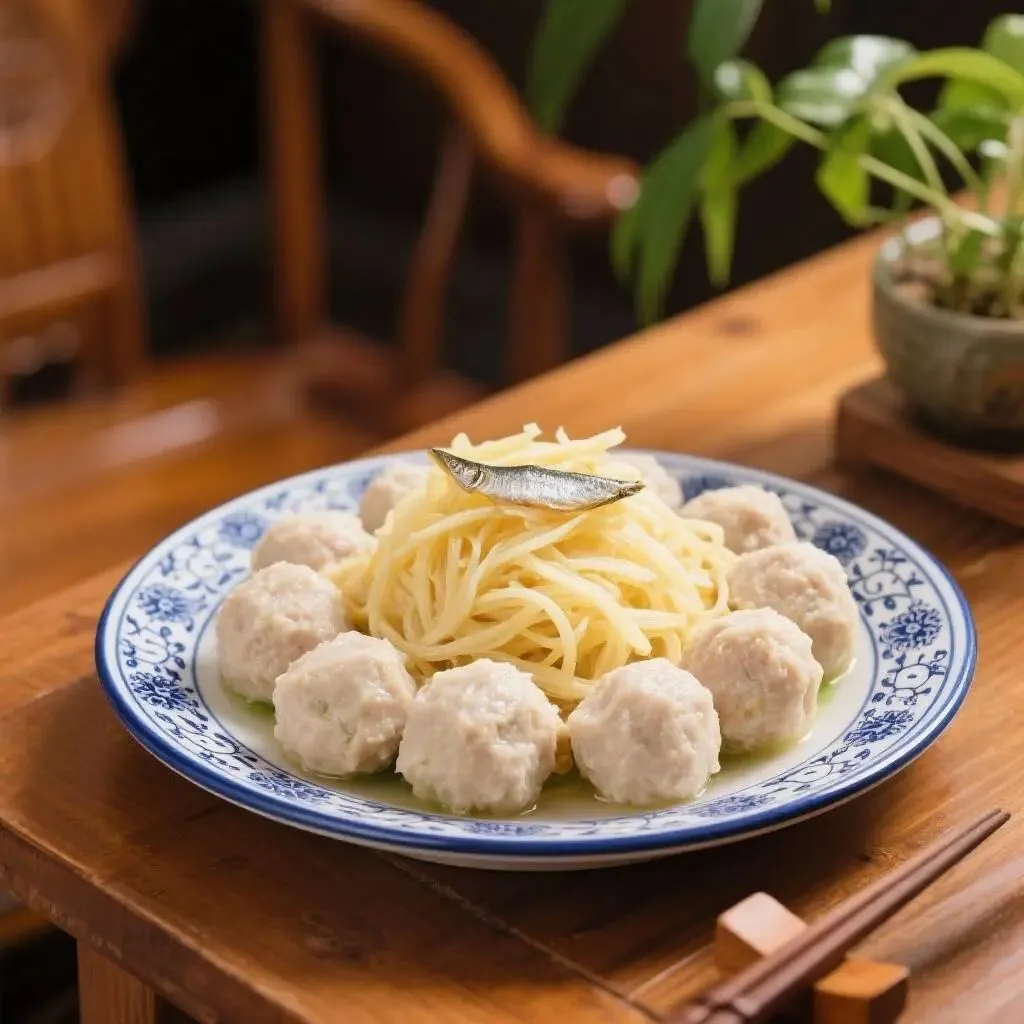
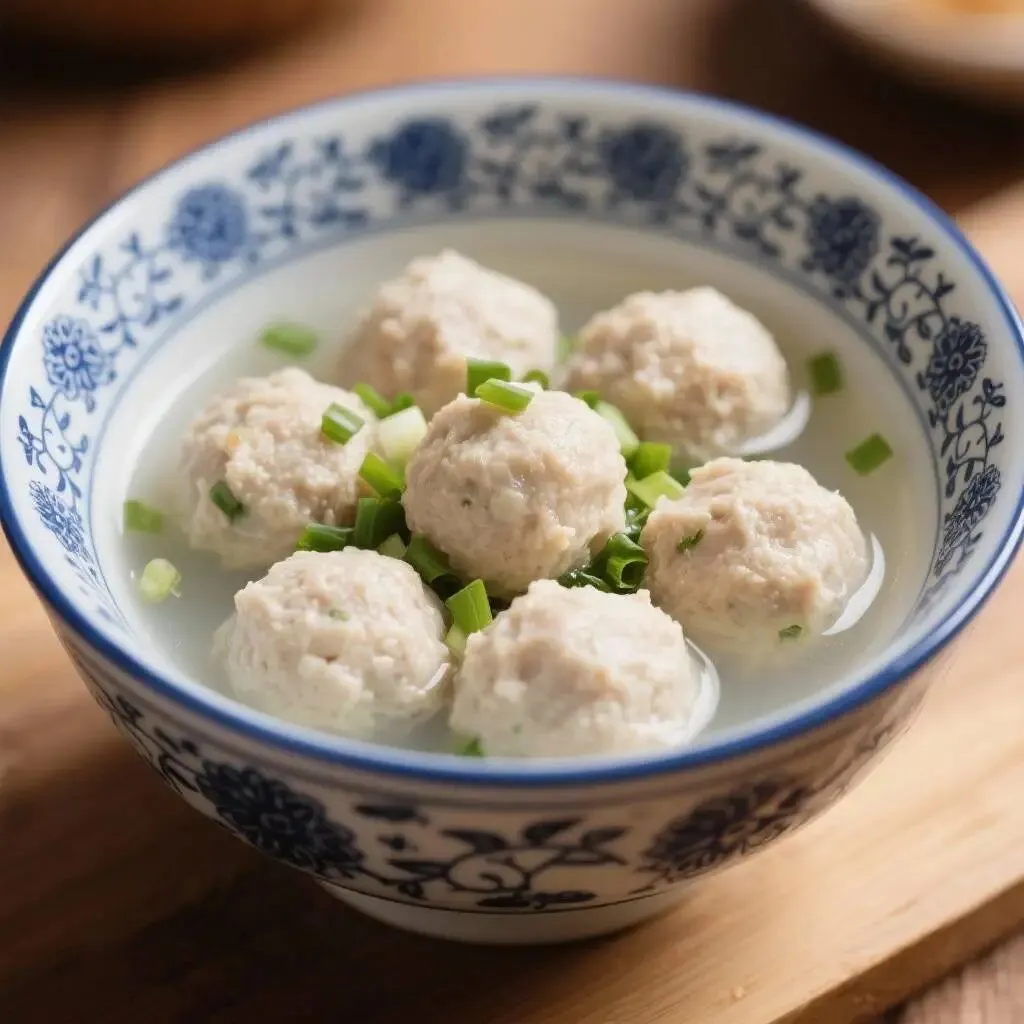
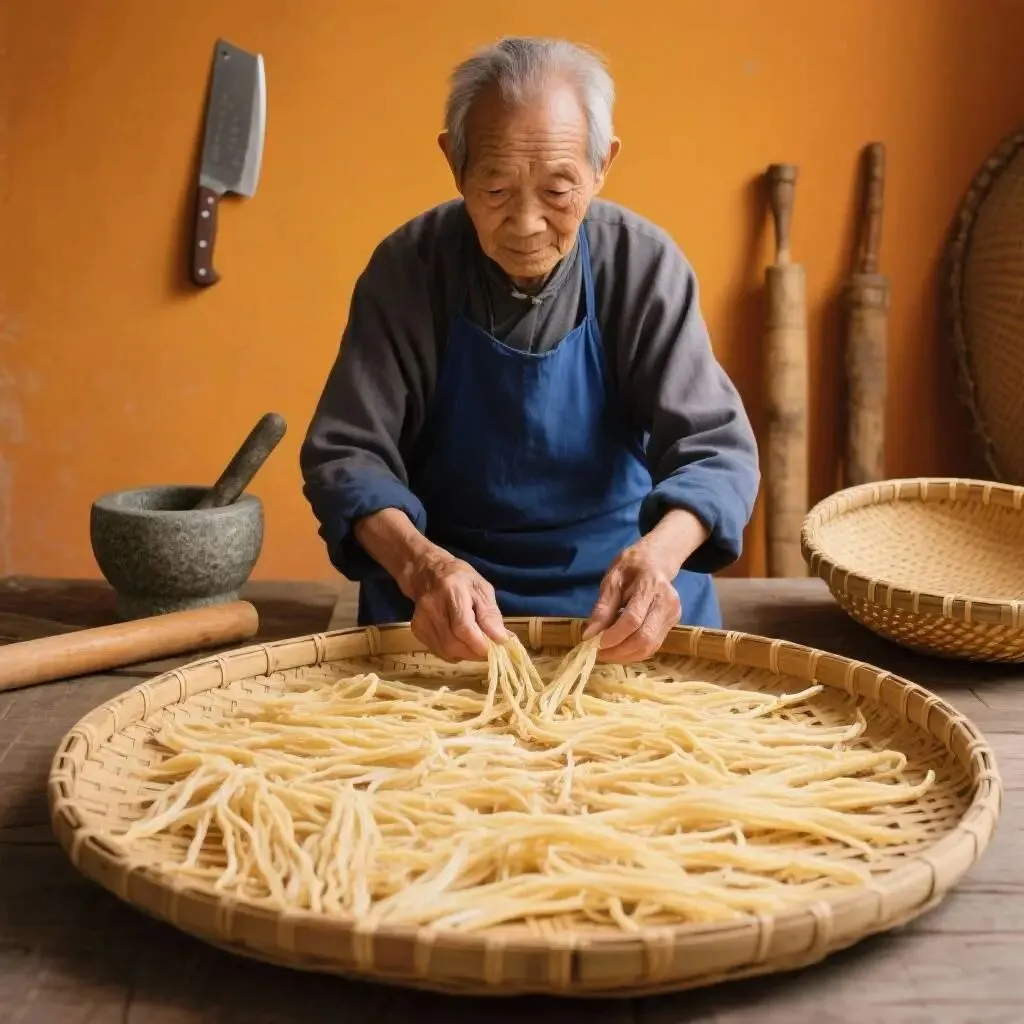
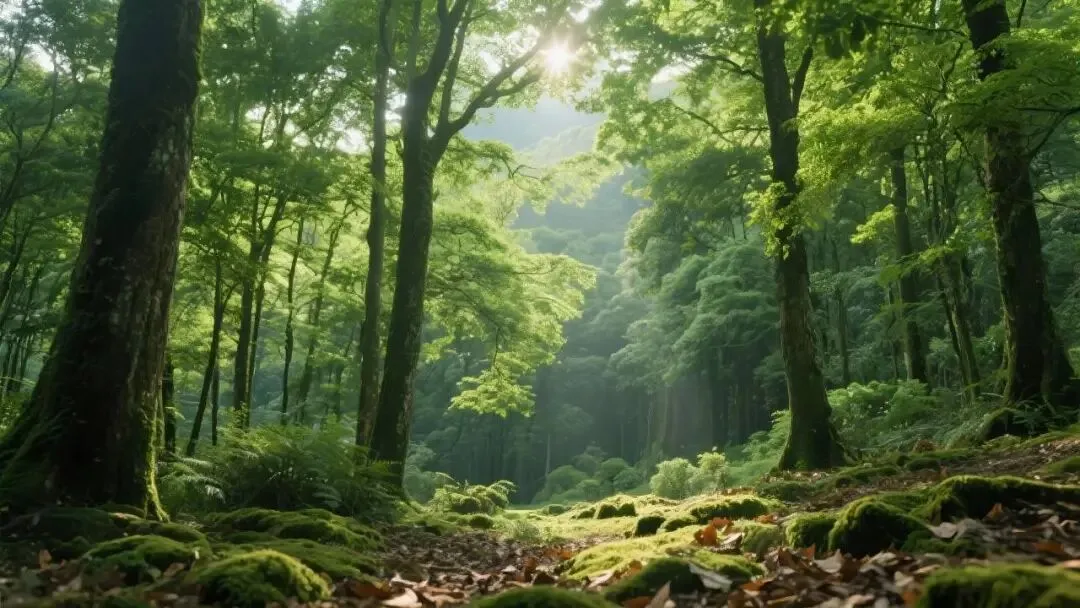 大余的丫山国家森林公园,春有杜鹃漫山,秋有银杏鎏金,云海翻涌时宛如仙境。此外,安远的三百山瀑布群飞珠溅玉,寻乌的青龙岩溶洞鬼斧神工。Doushui Lake in Shangyou, surrounded by mountains with crystal-clear waters, is dubbed the “Little Three Gorges of South Jiangxi.” Yashan National Forest Park in Dayu boasts azaleas in spring and gilded ginkgos in autumn, with sea clouds swirling like a fairyland.赣州的烟火气,是客家文化的活态传承。街头巷尾的“擂茶”摊前,茶叶、花生、芝麻在陶钵中研磨成香,配着米果、芋饺,是客家人待客的最高礼遇。宁都肉丸Q弹爽滑,兴国鱼丝细如银线,瑞金牛肉汤鲜辣暖胃,都是刻在味蕾上的乡愁。而“四星望月”(毛泽东命名的客家名菜,粉蒸鱼配四样小菜)更承载着红色记忆。Ganzhou’s warmth lies in living Hakka traditions. At street-side Leicha (pounded tea) stalls, tea leaves, peanuts, and sesame are ground into fragrant paste, served with rice cakes and taro dumplings—the ultimate hospitality.
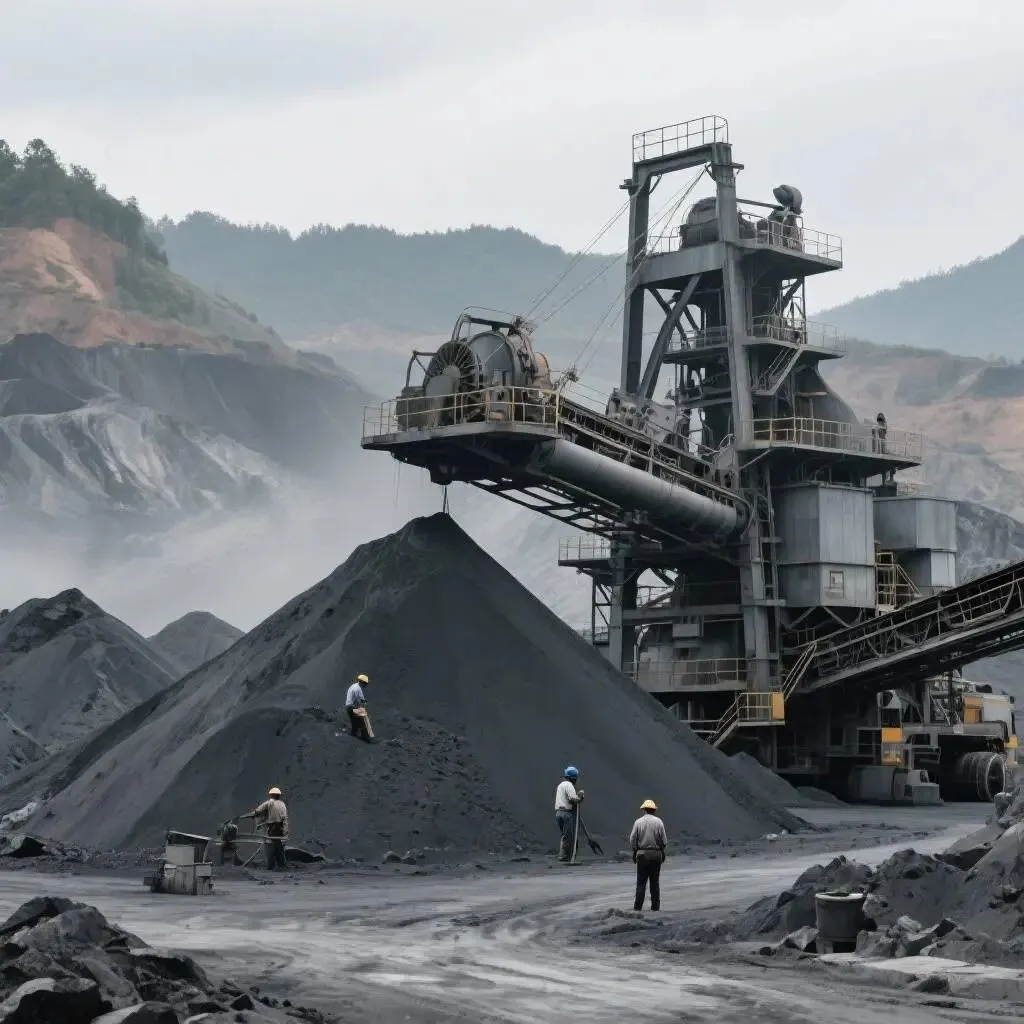
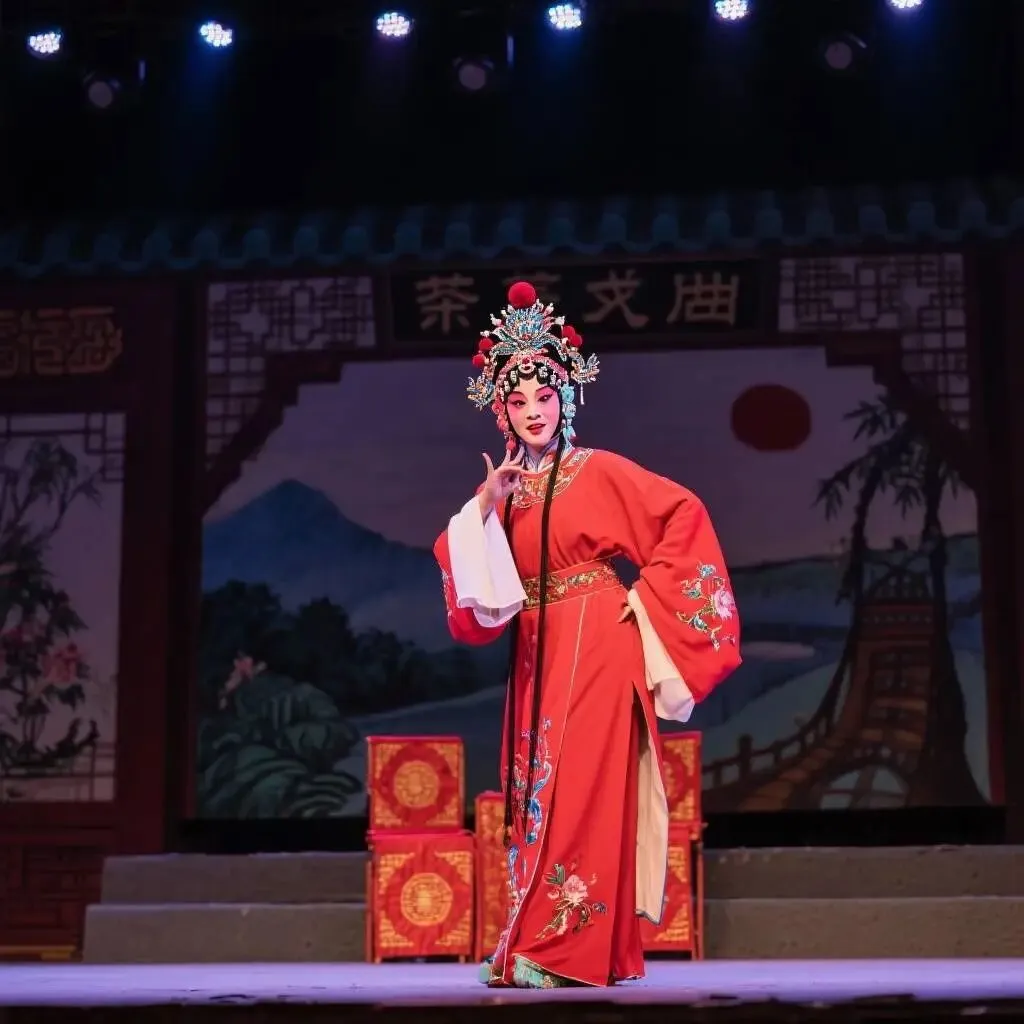
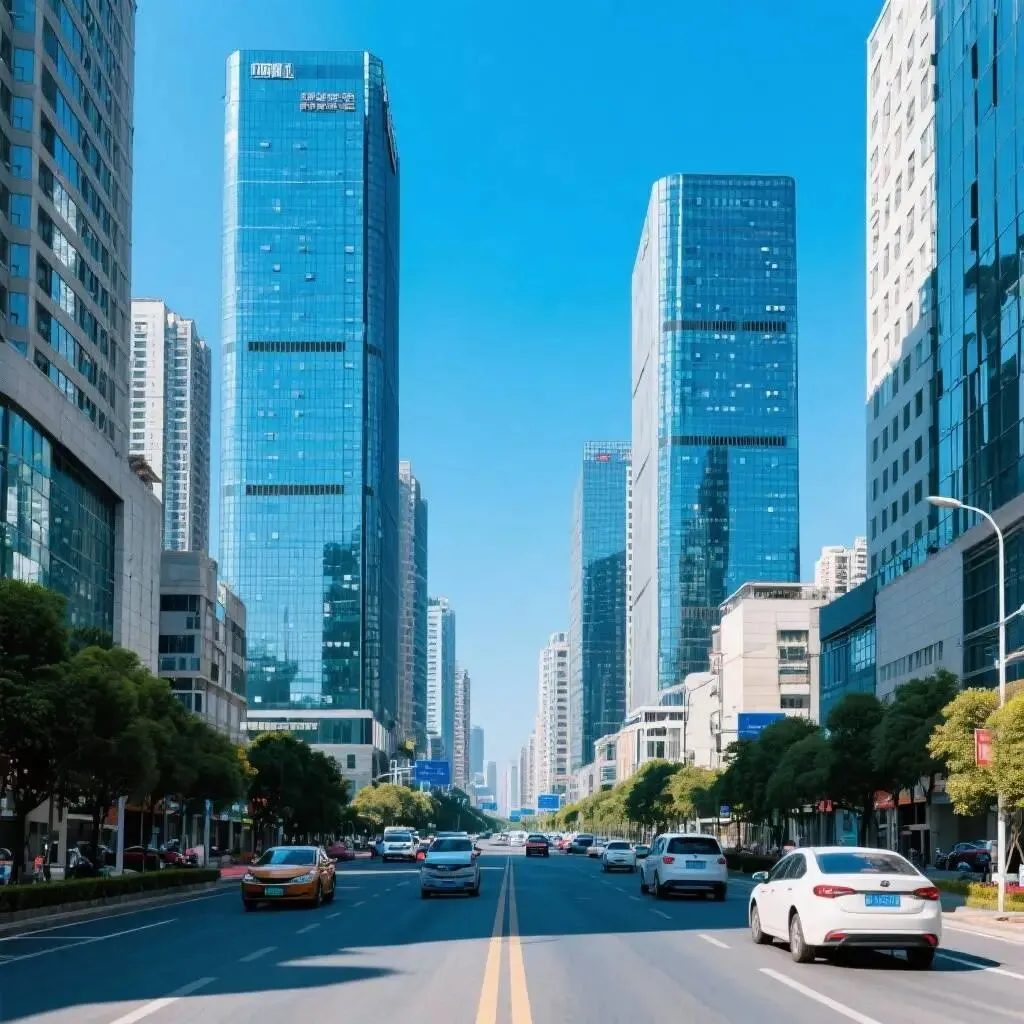
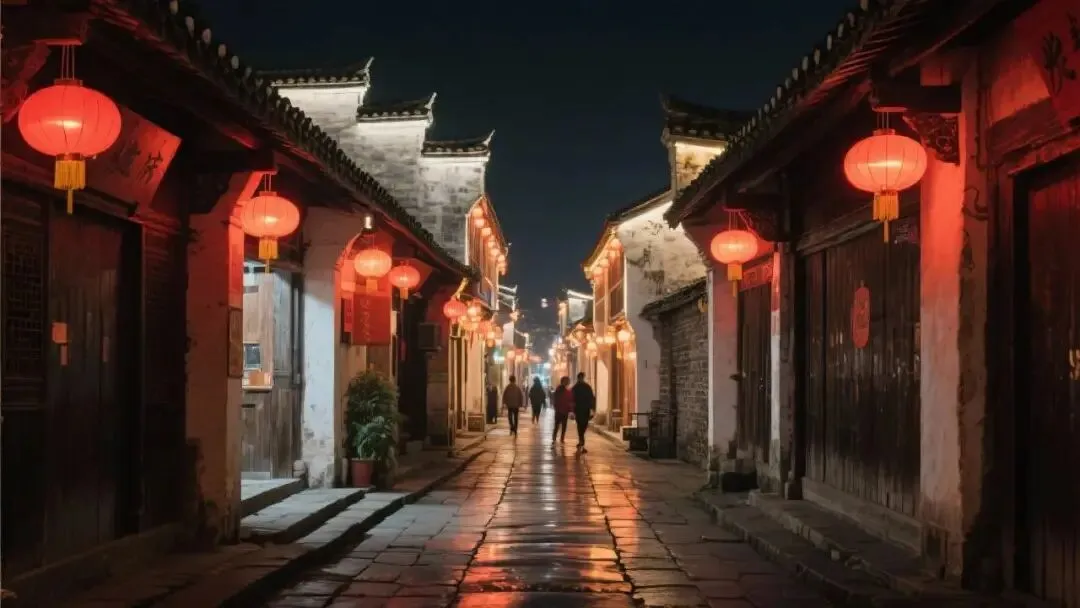 夜晚,老城区的灶儿巷灯火阑珊,采茶戏的悠扬唱腔混着茶油香,让人沉醉于“慢客家”的时光。Ningdu meatballs are chewy and smooth, Xingguo fish silk is as fine as silver thread, and Ruijin beef soup is spicy and warming—all nostalgic flavors. Sixing Wangyue (a Hakka dish named by Mao Zedong, steamed fish with four side dishes) carries revolutionary memories.如今的赣州,左手握着“国家历史文化名城”的名片,右手托起“省域副中心城市”的未来。这里有全球最大的离子型稀土矿,新能源汽车、电子信息产业蓬勃发展。同时,“宋城文化旅游”“红色研学”吸引八方来客,脐橙产业带动百万农民增收,“世界橙乡”的品牌越擦越亮。老城区的宋代城墙与现代商圈相映成趣,乡村的客家围屋变身民宿。Today’s Ganzhou balances its title as a “National Historic and Cultural City” with its role as a “Provincial Sub-Center.” It hosts the world’s largest ionic rare earth mine, with booming new energy vehicles and electronics industries.
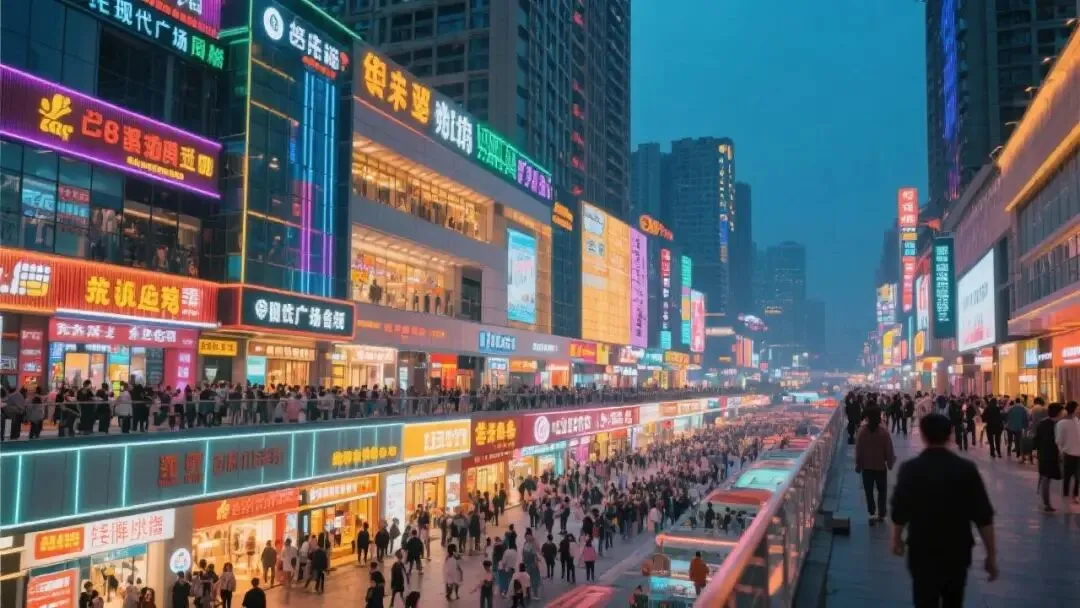 老城区的宋代城墙与现代商圈相映成趣,乡村的客家围屋变身民宿,让古老智慧与现代生活温暖相遇。Meanwhile, “Song Dynasty Cultural Tourism” and “Red Study Tours” attract visitors worldwide, while the navel orange industry lifts millions of farmers out of poverty—shining the “World Orange Homeland” brand. The ancient Song Dynasty wall contrasts with modern commercial areas, and Hakka tulou transform into homestays—blending old wisdom with new life.Ganzhou is the “spiritual homeland” of Hakka ancestors, the “moon over Yugu Terrace” flowing in Song lyrics, and the unyielding初心 on red revolutionary soil.
本文来自网友投稿或网络内容,如有侵犯您的权益请联系我们删除,联系邮箱:wyl860211@qq.com 。