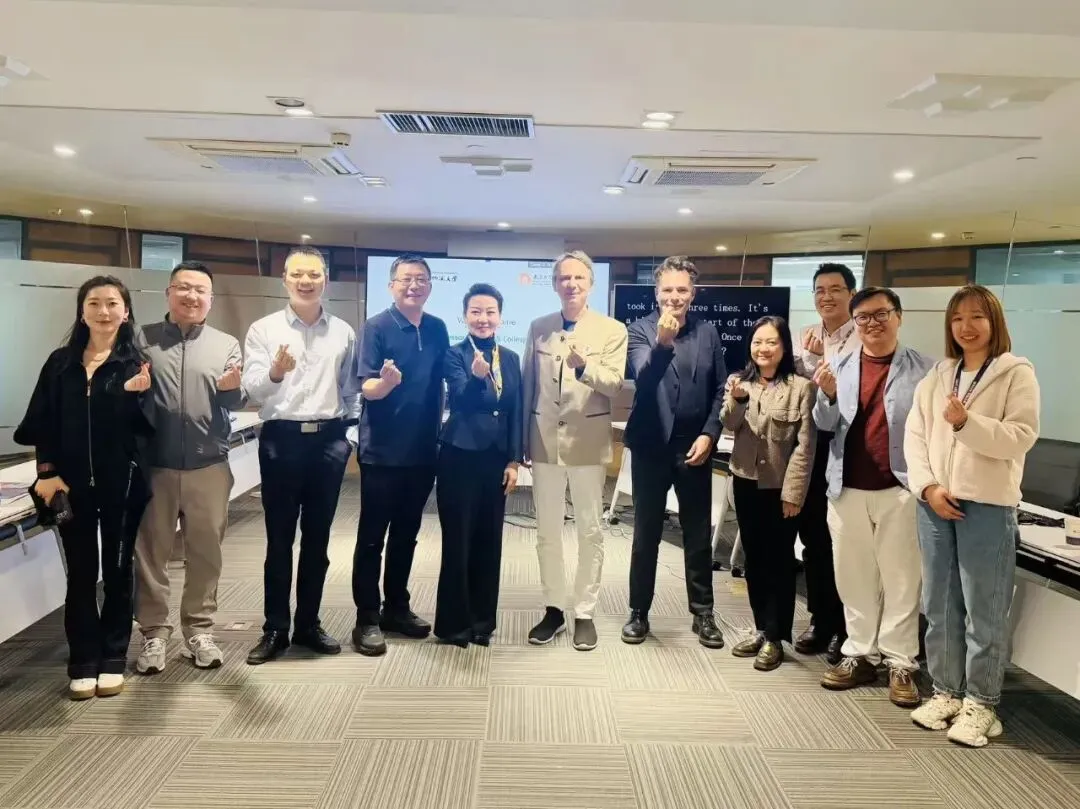
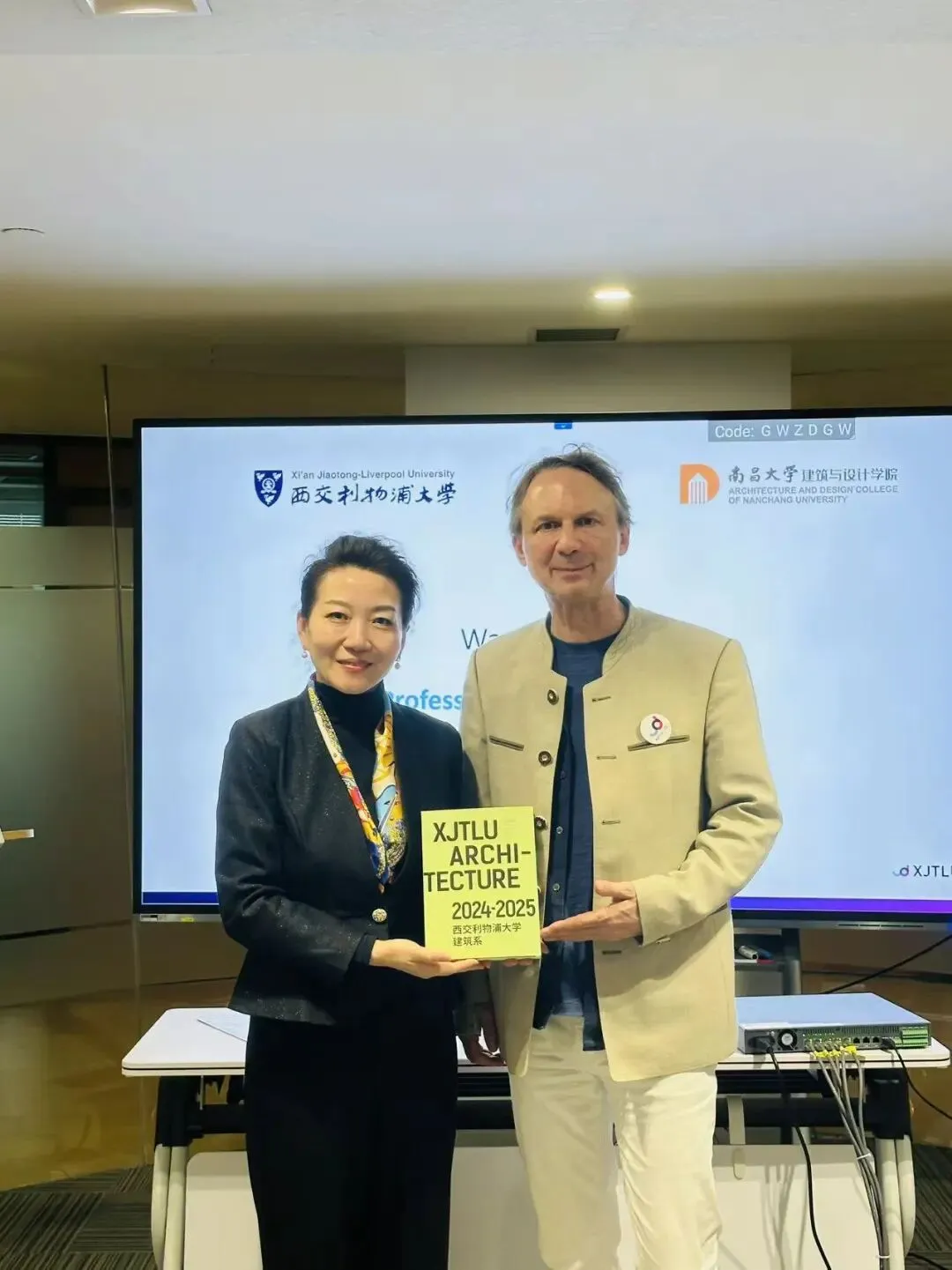
On April 8, Professor Li Zhixiu, Dean of the Architecture and Design College, Nanchang University, led delegates to the Design School of Xi’an Jiaotong‑Liverpool University for a programme of academic exchange and institutional visits. The discussions focused on discipline development, enhancement of teaching and research quality, talent cultivation and student mobility, and laboratory development, with the aim of promoting deeper cooperation and resource sharing between the two institutions in design education.
During the meeting, Professor Marc Aurel Schnabel, Dean of the Design School, extended a warm welcome to the visiting delegates and presented the School’s educational philosophy, disciplinary structure, curriculum framework, research achievements and industry‑academia partnerships. He highlighted the School’s progress in interdisciplinary design research, practice‑based pedagogy and internationalised talent development, and expressed the School’s interest in multi‑level collaboration with Nanchang University, including short‑term staff and student exchanges, joint courses and workshops, co‑organised academic forums, and pathways for outstanding Nanchang graduates to pursue master’s and doctoral degrees at XJTLU.
Dean Li provided an overview of the development, disciplinary strengths, and educational outcomes of Nanchang University’s School of Architecture and Design, and shared teaching and research experience in industrial design, architectural practice and regional cultural heritage. She noted that the visit would deepen understanding of international joint‑education models, offer opportunities to learn from advanced laboratory and innovation platform development, and hoped that institutional collaboration would broaden students’ international exposure, facilitate faculty exchange, support joint research proposals, and enhance graduate’s career development.
Both institutions agreed to advance several priority areas of cooperation: 1) establish short‑term student exchange and progression pathways to broaden international exchange and further‑study opportunities; 2) promote students mobility and joint research to strengthen teaching and research quality; 3) jointly organise academic activities to expand academic influence and social impact.
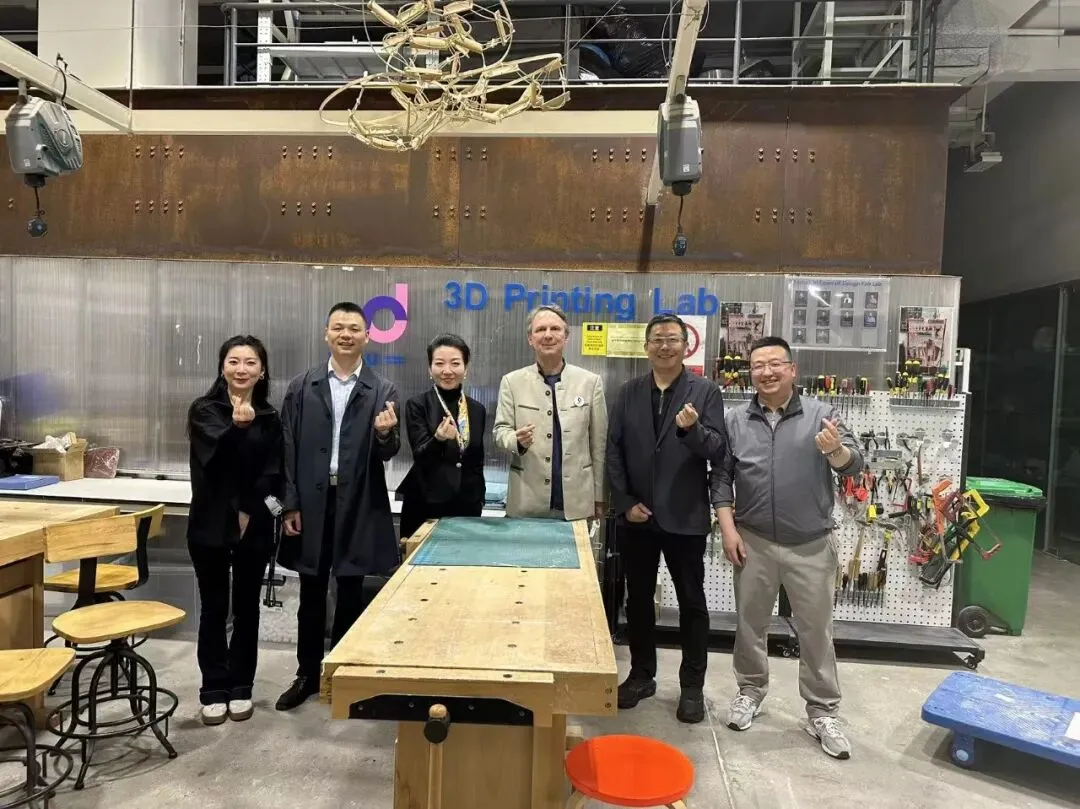
Following the meeting, Professor Schnabel led the delegates on a tour of the School’s teaching and research laboratories. Delegates exchanged views on laboratory development, curriculum‑based practice and industry collaboration.
This visit marked a new starting point in bilateral cooperation in design education and laid a solid foundation for in‑depth future collaboration in teaching, research, talent cultivation, and community engagement.


 10个月宝宝每天需要喝多少奶粉?

