The Glorious History ofJiangyou Merchant Group——Nanchang Wanshou Palace
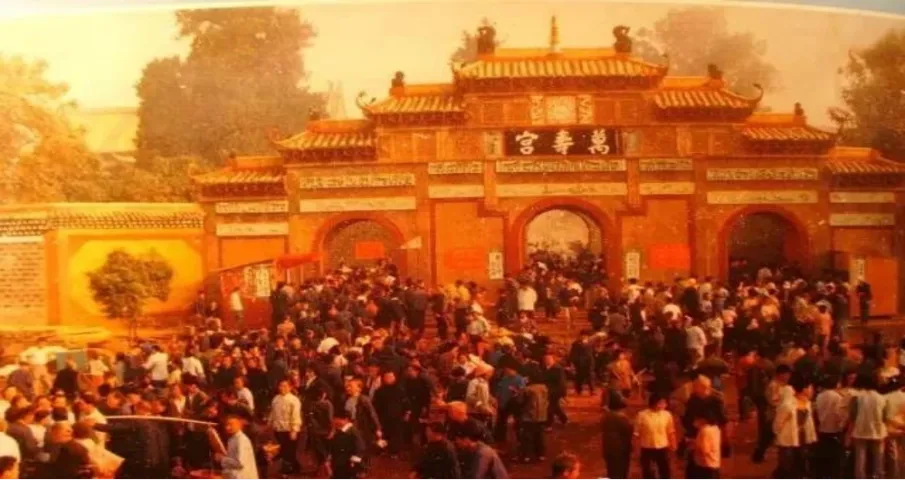
The prosperity of Jiangyou Merchant Group as one of the top ten merchant groups in the Ming and Qing dynasties is closely tied to the commercial culture of Nanchang Iron Pillar Wanshou Palace. As a spiritual landmark of Jiangxi merchants, Wanshou Palace is not only a religious site but also a collective memory carrier for Jiangxi migrants and merchants.
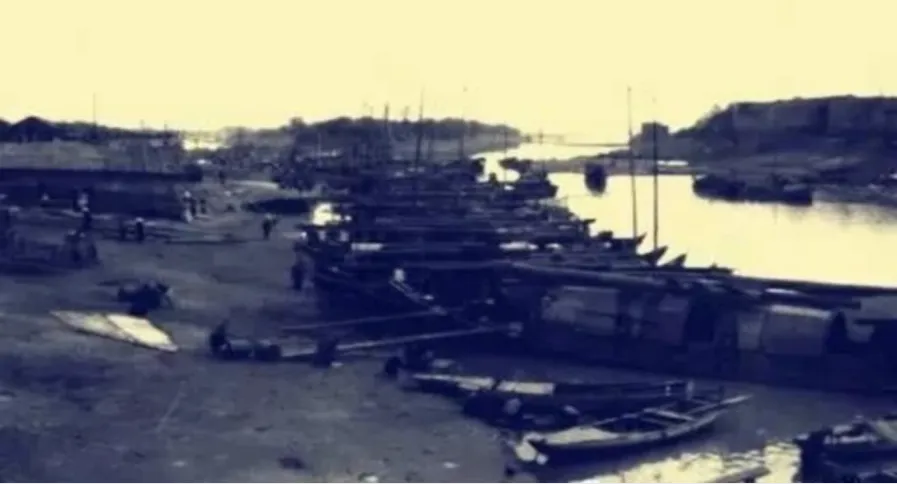
Located on the bank of the Gan River near Guangrun Gate, NanchangWanshou Palace leveraged its geographical advantage of "facing docks externally and connecting commercial streets internally" to become a key point for merchant ships and a distribution center during the Ming and Qing periods. Merchants prayed to Xu Zhenjun here for safe voyages and used nearby commercial streets for trade and information exchange, creating a unique "temple-commerce" ecosystem. Since the Ming Dynasty, it has evolved beyond a religious venue to include official rituals, commercial governance, and cultural exchanges. By the Wanli reign, its trade flourished as a provincial hub; by the late Qing, it was one of the "Three Great Commercial Centers of Jiangnan" alongside Shanghai Chenghuang Temple and Nanjing Confucius Temple, a status maintained after its reconstruction in the Tongzhi era. In 1907, the Jiangxi General Chamber of Commerce established its office here, further consolidating its commercial significance. Today, Wanshou Palace Mall remains Nanchang's largest wholesale market.
The palace's commercial vitality stemmed from its geographical convenience and the legend of "Iron Pillar Locking the Flood Dragon." The tale of Xu Zhenjun taming floods provided psychological reassurance for safe voyages, prompting the construction of Wanshou Palaces along rivers and coasts, forming a commercial network. As the ancestral shrine of over 1,400 Wanshou Palaces worldwide, its 1,600-year commercial heritage underpinned the 900-year glory of Jiangyou Merchant Group. Over a hundred literati, including Wang Anshi and Matteo Ricci, composed inscriptions or visited here, leaving cultural imprints. Multiple renovations during the Qing Dynasty and stories of Xu Zhenjun's miraculous protection elevated its status.
Fundamentally, Wanshou Palace emerged from commodity economic development, using legends to mitigate trade risks and serving as a spiritual anchor for maritime safety. Even in remote towns, their squares functioned as commercial hubs, embodying the principle of "built for commerce, thrived by commerce." Today, as a symbol of Jiangxi merchant culture, it represents the "from China to Peru" ofJiangyou Merchant Group and the unique integration of commerce and faith in Chinese traditional culture.
 10个月宝宝每天需要喝多少奶粉?

